
Andere Kunden interessierten sich auch für
 Fifty Years of "the Battle of Algiers"11,99 €
 Dark Deleuze11,99 €
 Pipeline Noir11,99 €
 Theory for the World to Come11,99 €
 The Politics of Bitcoin11,99 €
 Virtue Hoarders9,99 €
 Deep Mapping the Media City11,99 €






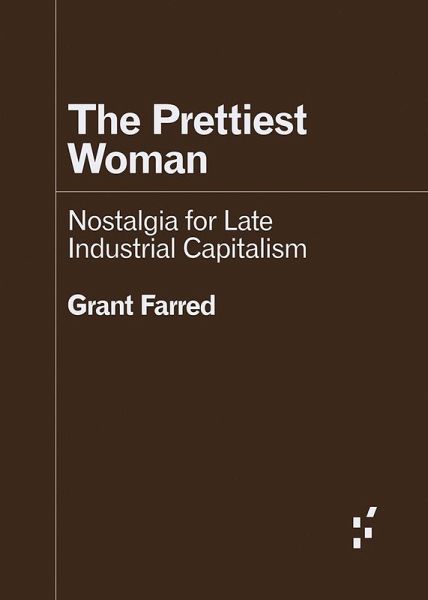
Uncovering Hollywood’s perpetual longing for a lost industrial America “We don’t make things in America anymore”: like clockwork, this refrain resurfaces in political discourse, a reflection of yearning for a bygone era of industrial productivity. In his latest work, Grant Farred uses the 1990 film Pretty Woman to expose and critique this lingering nostalgia for late-industrial capitalism. Situating Pretty Woman alongside Reagan-era films including Wall Street, Farred examines the congealment of such a pervasive romanticized view of the United States as a fading industrial powerhouse. Drawing on an eclectic range of thinkers-from Raymond Williams and Slavoj Žižek to Mick Jagger- The Prettiest Woman offers a unique analysis of the ways Hollywood perpetuates the myth of a lost “productive America,” highlighting the seductive power of this fantasy despite its disconnect from economic and political realities.