

Andere Kunden interessierten sich auch für
 The Primadonna a Sequel to Fair Margaret23,99 €
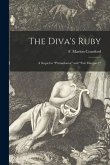
 The Diva's Ruby: a Sequel to "Primadonna" and "Fair Margaret,"25,99 €
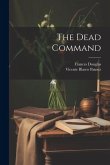
 The Dead Command24,99 €
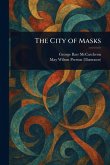
 The City of Masks18,99 €
 The Perils of Certain English Prisoners14,99 €
 The City of Masks22,99 €
 The Man on the Other Side17,99 €




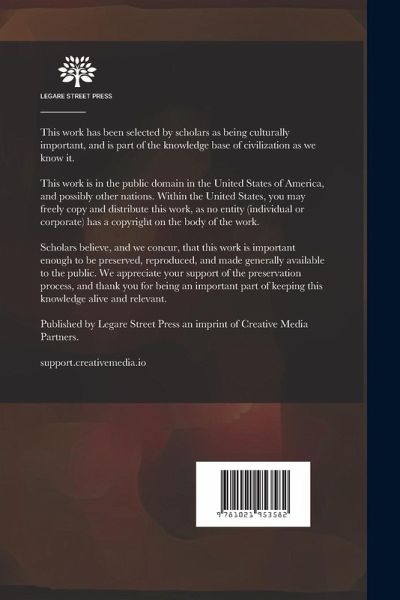
A captivating novel that follows the story of a talented young singer, Paula, as she navigates the complex and competitive world of opera. Through Crawford's vivid storytelling, readers are transported to the grand stages of Europe and get a behind-the-scenes look at the drama, romance, and intrigue that unfolds. This is a must-read for fans of historical fiction and music lovers alike. This work has been selected by scholars as being culturally important, and is part of the knowledge base of civilization as we know it. This work is in the "public domain in the United States of America, and possibly other nations. Within the United States, you may freely copy and distribute this work, as no entity (individual or corporate) has a copyright on the body of the work. Scholars believe, and we concur, that this work is important enough to be preserved, reproduced, and made generally available to the public. We appreciate your support of the preservation process, and thank you for being an important part of keeping this knowledge alive and relevant.