
Andere Kunden interessierten sich auch für
") The Princess and Curdie (Yesterday's Classics)16,99 €
The Princess and Curdie (Yesterday's Classics)16,99 € The Princess and Curdie by George Macdonald, Classics, Action & Adventure13,99 €
 The Princess and Curdie19,99 €
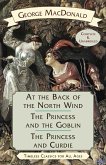
 At the Back of the North Wind / The Princess and the Goblin / The Princess and Curdie29,99 €
 The Princess and Curdie15,99 €
 The Princess and Curdie18,99 €
 The Princess and Curdie10,99 €
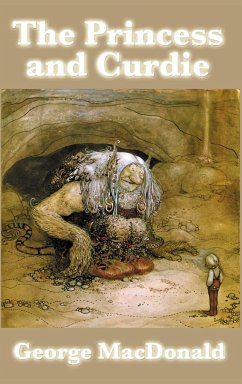
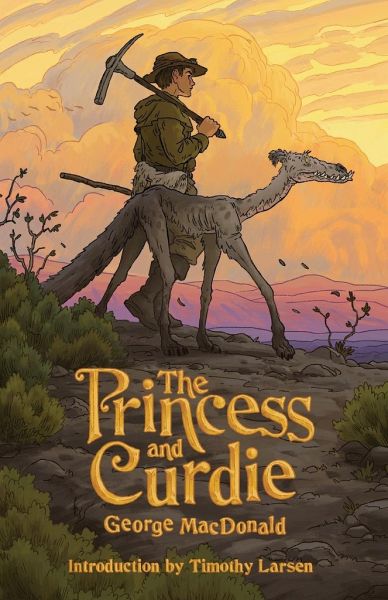
In this sequel to The Princess and the Goblin, Curdie has returned to his life as a miner and has dismissed the supernatural happenings of the past, believing them to have been a dream. When Curdie callously wounds a pigeon, his conscience leads him to Princess Irene's mystical great-great-grandmother for help. She has him plunge his hands into a pile of rose petals that burns like fire. Extraordinarily, this grants him the power to see what kind of "animal" a person is at heart.