

Andere Kunden interessierten sich auch für
") The Life Of Morris Officer (1876)38,99 €
The Life Of Morris Officer (1876)38,99 € Fighting Joe; Or The Fortunes Of A Staff Officer22,99 €
") The Prussian Hath Said In His Heart (1915)28,99 €
The Prussian Hath Said In His Heart (1915)28,99 € Fighting Joe Or The Fortunes Of A Staff Officer29,99 €
 Some Account Of The Life And Services Of William Blount, An Officer Of The Revolutionary Army, Member Of The Continental Congress And Of The Convention Which Framed The Constitution Of The United States21,99 €
 The Young Lieutenant Or The Adventures Of An Army Officer32,99 €
 A Colonial Officer And His Times, 1754-177327,99 €

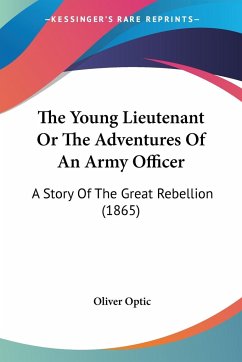

This scarce antiquarian book is a facsimile reprint of the original. Due to its age, it may contain imperfections such as marks, notations, marginalia and flawed pages. Because we believe this work is culturally important, we have made it available as part of our commitment for protecting, preserving, and promoting the world's literature in affordable, high quality, modern editions that are true to the original work.