The first book to comprehensively discuss the function of the psoas muscles in posture, movement, and exercise, The Psoas Solution identifies the functional anatomy, biomechanics, and motor control of the psoas muscles and their role in core and hip stabilization. Integrating research with clinical experience, author Evan Osar identifies the psoas muscles' role and their relationship with the hip, pelvis, and low back. The Psoas Solution demonstrates how to incorporate the psoas muscles into functional movement patterns such as squatting, lunging, and bending. The book includes corrective and…mehr
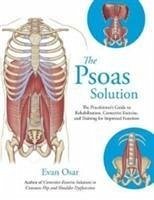
The first book to comprehensively discuss the function of the psoas muscles in posture, movement, and exercise, The Psoas Solution identifies the functional anatomy, biomechanics, and motor control of the psoas muscles and their role in core and hip stabilization. Integrating research with clinical experience, author Evan Osar identifies the psoas muscles' role and their relationship with the hip, pelvis, and low back. The Psoas Solution demonstrates how to incorporate the psoas muscles into functional movement patterns such as squatting, lunging, and bending. The book includes corrective and functional exercise progressions for improving the psoas muscles. Health and fitness professionals will find this a valuable resource full of applicable strategies and exercises to incorporate into current rehabilitation or training programs. Abundantly illustrated with full-color images throughout, this book also provides most complete review on the relevant research on the psoas muscles available. For years the psoas muscles have been mired in controversy. They have been linked to common postural and movement dysfunction, including anterior pelvic tilt, hyperlordosis of the lumbar spine, and low back pain. Strategies to improve posture and reduce pain have primarily involved stretching the psoas muscles and strengthening their antagonist, the glutes. However, recent clinical research has revealed that the psoas muscles are much more than simple hip flexors-they play an integral role in both posture and movement. This professional treatment manual for health care practitioners and students gives an overview of the ways that nonoptimal use of the psoas muscles can affect breathing, posture, and movement. It outlines specific treatment strategies that enable patients to develop awareness and utilization of the psoas muscles to achieve three-dimensional breathing and improve balance and body mechanics.
Evan Osar is an internationally recognized lecturer, author, and expert on assessment, corrective exercise, and integrative movement. Osar has authored one of the most highly acclaimed industry resources on corrective exercise, Corrective Exercise Solutions, and is a regular presenter at Perform Better Functional Training Summits, SCW Mania events, ECA OBOW conventions, and Asia Fitness conferences. Osar is a regular contributor to PTontheNet, OnTarget Publications, and Integrative Movement Insider.
Inhaltsangabe
Chapter 1. Functional Anatomy of the Psoas Psoas Attachments Joint Motion and Centration Functional Anatomy of the Psoas Chapter 2. Three-Dimensional Breathing Anatomy of Three-Dimensional Breathing Biomechanics of Three-Dimensional Breathing Pelvic Tilt Developing Three-Dimensional Breathing Common Breathing Dysfunctions Chapter 3. Thoracopelvic Cylinder (TPC) Stabilization Anatomy of the Core Core Stabilization Motor Control Training and Corrective Exercise Happy Baby Heel Drop Pull-Over Pull-Over With Heel Drop Modified Dead Bug Modified Wall Plank Modified Wall Plank With Hip Flexion Ball-Supported Knee Pull-In Common Signs of Dysfunction in the Ball-Supported Knee Pull-In Chapter 4. Squat and Deadlifting Introduction Improving Hip Extension During Squatting and Deadlifting Patterns Improving Psoas and Gluteal Function During Squatting and Deadlifting Patterns Squat Split Squat Split Squat With Elevated Rear Leg Single Leg Squat Deadlift Chapter 5. Lunging Introduction Forward Lunge Reverse Lunge Additional Lunge Progressions Chapter 6. Bending Introduction Forward Bend Hip Hinge Roll-Up Side Bend Carrying Patterns Chapter 7. Spine and Hip Extension Introduction Prone Lengthen Backward Bend Hip Hinge Bridge Marching Bridge and Single-Leg Hip Hinge Bridge Hip Thruster Bird-Dog Side Lying Iso Hip Extension Stretching the Psoas Appendix I. Assessing the Psoas Appendix II. Neutral Alignment and Postural Assessment Appendix III. Suspension Appendix IV. The Pelvic Floor and Its Relationship to the Psoas Appendix V. Psoas’ Role in Femoroacetabular Impingement (FAI) and Labral Pathologies of the Hip Appendix VI. Sitting Appendix VII. Corrective Exercise
Chapter 1. Functional Anatomy of the Psoas Psoas Attachments Joint Motion and Centration Functional Anatomy of the Psoas Chapter 2. Three-Dimensional Breathing Anatomy of Three-Dimensional Breathing Biomechanics of Three-Dimensional Breathing Pelvic Tilt Developing Three-Dimensional Breathing Common Breathing Dysfunctions Chapter 3. Thoracopelvic Cylinder (TPC) Stabilization Anatomy of the Core Core Stabilization Motor Control Training and Corrective Exercise Happy Baby Heel Drop Pull-Over Pull-Over With Heel Drop Modified Dead Bug Modified Wall Plank Modified Wall Plank With Hip Flexion Ball-Supported Knee Pull-In Common Signs of Dysfunction in the Ball-Supported Knee Pull-In Chapter 4. Squat and Deadlifting Introduction Improving Hip Extension During Squatting and Deadlifting Patterns Improving Psoas and Gluteal Function During Squatting and Deadlifting Patterns Squat Split Squat Split Squat With Elevated Rear Leg Single Leg Squat Deadlift Chapter 5. Lunging Introduction Forward Lunge Reverse Lunge Additional Lunge Progressions Chapter 6. Bending Introduction Forward Bend Hip Hinge Roll-Up Side Bend Carrying Patterns Chapter 7. Spine and Hip Extension Introduction Prone Lengthen Backward Bend Hip Hinge Bridge Marching Bridge and Single-Leg Hip Hinge Bridge Hip Thruster Bird-Dog Side Lying Iso Hip Extension Stretching the Psoas Appendix I. Assessing the Psoas Appendix II. Neutral Alignment and Postural Assessment Appendix III. Suspension Appendix IV. The Pelvic Floor and Its Relationship to the Psoas Appendix V. Psoas’ Role in Femoroacetabular Impingement (FAI) and Labral Pathologies of the Hip Appendix VI. Sitting Appendix VII. Corrective Exercise
Es gelten unsere Allgemeinen Geschäftsbedingungen: www.buecher.de/agb
Impressum
www.buecher.de ist ein Internetauftritt der buecher.de internetstores GmbH
Geschäftsführung: Monica Sawhney | Roland Kölbl | Günter Hilger
Sitz der Gesellschaft: Batheyer Straße 115 - 117, 58099 Hagen
Postanschrift: Bürgermeister-Wegele-Str. 12, 86167 Augsburg
Amtsgericht Hagen HRB 13257
Steuernummer: 321/5800/1497
USt-IdNr: DE450055826