
Andere Kunden interessierten sich auch für
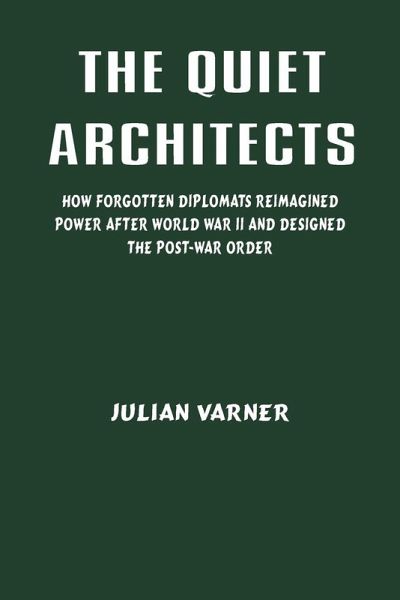
 The Quiet Architects31,99 €
 THE QUIET TIDES OF BORDEAUX35,99 €
 All Quiet on the Western Front23,99 €
 The Mormon Battalion and its Monument. A Compilation of Data for Sculptors and Architects28,99 €
 Showdown in the Big Quiet65,99 €
 All Quiet on the Western Front17,99 €
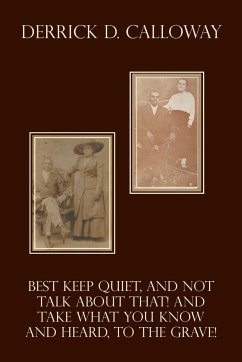
 BEST KEEP QUIET, AND NOT TALK ABOUT THAT! AND TAKE WHAT YOU KNOW AND HEARD, TO THE GRAVE!30,99 €

What if the most important architects of modern peace weren't presidents or generals-but quiet, persistent diplomats whose imagination and restraint shaped the world we live in? This book is a vivid journey into the lives and minds of those rarely celebrated yet profoundly influential figures who designed the global order after World War II. From forgotten diplomats like Ralph Bunche and Jean Monnet to economic visionaries like John Maynard Keynes, it tells the gripping story of how power was reimagined in meeting rooms, draft papers, and late-night talks-far from the battlefield. Through a rich blend of narrative history and emotional insight, readers are taken inside the negotiations that created the UN, NATO, and Bretton Woods-revealing how post-war diplomacy was not just about policy, but psychology. These were individuals negotiating not just between nations, but between ideals and fear, between past trauma and future hope. This book is for readers of international relations history and WWII, students and thinkers fascinated by how the UN was created, anyone drawn to the human drama behind architects of world peace. Inside the book you will discover: - The moral dilemmas faced by WWII peace negotiators - How emotional intelligence in diplomacy shaped fragile alliances - The uncelebrated brilliance of those who built frameworks still holding global tension at bay. Whether you're exploring the origins of NATO and the UN or searching for enduring lessons in leadership, this is a story of how peace was not found-but built. Line by line, document by document. Not by the loud, but by the quiet architects who imagined a world that could hold.