
Andere Kunden interessierten sich auch für
 King of the Cats19,99 €
 Behind the Scenes15,99 €
 Behind the Scenes10,99 €
 A Negro Explorer at the North Pole11,99 €
 A Negro Explorer at the North Pole27,99 €
 The Fastest Bicycle Rider In The World20,99 €
 The Souls of Black Folk24,99 €







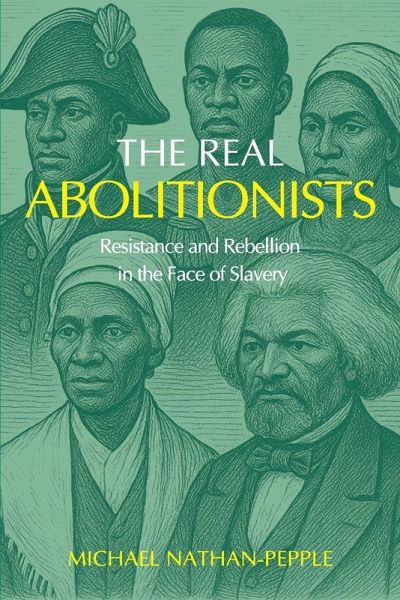
The Real Abolitionists was written to bridge several historical gaps, particularly those concerning slavery in the Americas. The title of the book implies that prominent white people were not the originators of the abolitionist movement. In reality, they joined the struggle much later. Even though enslaved Africans did not have a structured or coordinated movement, their actions demonstrated that they fought tirelessly for their freedom and the abolition of slavery. The book begins with a statement made by the leader of Suriname's Ndyuka-Maroons, which was made during an interview in 1998, and literally summarises who they were, how they gained their freedom and the obstacles they still face today. It is followed by the Horrors of Slavery and Reparations, a topic that many white people would like to forget but which continues to resonate in the minds of millions of black people. The first chapter, African Resistance to Slavery, recounts the history of the trans-Atlantic slave trade, including the massacre of 90% of the indigenous inhabitants in the Americas, which led to the introduction of African captives into the region as slaves. It continues with revolts on slave ships, and the level of resistance and rebellion among enslaved Africans across the Americas. Chapters two and three, Enslaved Narrators and Rebel Leaders, tells the stories of twenty-two black abolitionists. It details their courage, resilience, determination, leadership qualities, intelligence and much more. In conclusion, the book shows that chattel slavery was a cruel practice designed to dehumanise black people and treated them worse than animals. However, the persistence and overwhelming fighting spirit of these black abolitionists, together with the help of certain white abolitionists, forced the enslavers and their supporting European nations to eventually abandon this wicked and immoral institution.