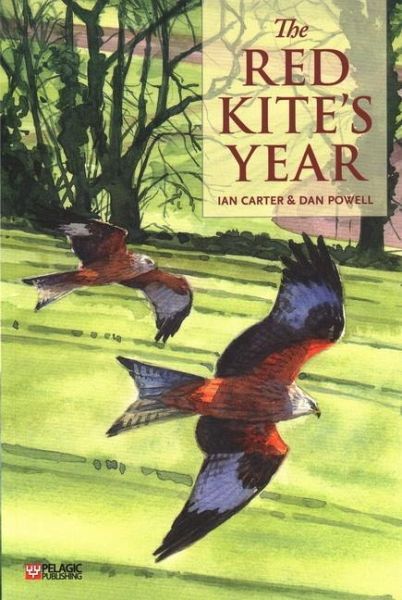
A beautifully illustrated natural history of the Red Kite, including the successful reintroduction programme. Follow the birds through the ups and downs of the year, from the rigours of raising young during the warm summer months to the struggle for survival in the depths of winter.
A beautifully illustrated natural history of the Red Kite, including the successful reintroduction programme. Follow the birds through the ups and downs of the year, from the rigours of raising young during the warm summer months to the struggle for survival in the depths of winter.
Ian Carter worked as an ornithologist for Natural England and its predecessors for over 25 years before taking early retirement. He has a long history of involvement with raptor conservation, including the reintroduction of the Red Kite. Dan Powell is an award-winning wildlife artist and naturalist, whose drawings and paintings have been published in numerous books and journals.
Inhaltsangabe
Foreword by Mark Avery Acknowledgements Introduction The artworks January Winter food; Coping with severe weather February The first signs of spring; The pair bond and age of first breeding; Courtship behaviour and calling; Male or female? History in Britain Early history; A decline in fortunes; The road to recovery – Red Kite protection in Wales March Faithfulness to breeding sites; Nest building; Nest spacing and breeding density April Final touches to the nest; Eggs and incubation; Nest decoration; Defence of the nest The Red Kite reintroduction programme Early reintroduction attempts; Planning the restoration to England and Scotland; Collecting young and care in captivity; Release into the wild; Progress so far; Further release projects; The wider benefits of reintroduction; Bringing back the Red Kite – a project officer’s perspective; The future May Care of small chicks; Studies of food in the breeding season; Foraging range and habitat use June The growing brood; Preparations for the first flight July Leaving the nest; Towards independence; Red Kite adoptions; Measuring breeding success Threats and problems Illegal persecution; Accidental poisoning; Egg collecting; Collisions and accidents; Powerlines August Fending for themselves; Plumage differences; The annual moult; A lull in activity September Wanderlust; The Red Kite as a migrant; and The use of new technology To feed or not to feed? Changes in legislation; Red Kite feeding stations; Feeding in gardens October The communal roost; Attendance patterns; The daily routine November The benefits of communal roosting; Social interactions and play at roosts December A wildlife spectacle; and The influence of weather on roosting behaviour World status Northern Europe; Northwest Europe; Central and eastern Europe; Southern Europe; The future Further reading Sources of further information Species mentioned in the text Index
Foreword by Mark Avery Acknowledgements Introduction The artworks January Winter food; Coping with severe weather February The first signs of spring; The pair bond and age of first breeding; Courtship behaviour and calling; Male or female? History in Britain Early history; A decline in fortunes; The road to recovery – Red Kite protection in Wales March Faithfulness to breeding sites; Nest building; Nest spacing and breeding density April Final touches to the nest; Eggs and incubation; Nest decoration; Defence of the nest The Red Kite reintroduction programme Early reintroduction attempts; Planning the restoration to England and Scotland; Collecting young and care in captivity; Release into the wild; Progress so far; Further release projects; The wider benefits of reintroduction; Bringing back the Red Kite – a project officer’s perspective; The future May Care of small chicks; Studies of food in the breeding season; Foraging range and habitat use June The growing brood; Preparations for the first flight July Leaving the nest; Towards independence; Red Kite adoptions; Measuring breeding success Threats and problems Illegal persecution; Accidental poisoning; Egg collecting; Collisions and accidents; Powerlines August Fending for themselves; Plumage differences; The annual moult; A lull in activity September Wanderlust; The Red Kite as a migrant; and The use of new technology To feed or not to feed? Changes in legislation; Red Kite feeding stations; Feeding in gardens October The communal roost; Attendance patterns; The daily routine November The benefits of communal roosting; Social interactions and play at roosts December A wildlife spectacle; and The influence of weather on roosting behaviour World status Northern Europe; Northwest Europe; Central and eastern Europe; Southern Europe; The future Further reading Sources of further information Species mentioned in the text Index
Es gelten unsere Allgemeinen Geschäftsbedingungen: www.buecher.de/agb
Impressum
www.buecher.de ist ein Internetauftritt der buecher.de internetstores GmbH
Geschäftsführung: Monica Sawhney | Roland Kölbl | Günter Hilger
Sitz der Gesellschaft: Batheyer Straße 115 - 117, 58099 Hagen
Postanschrift: Bürgermeister-Wegele-Str. 12, 86167 Augsburg
Amtsgericht Hagen HRB 13257
Steuernummer: 321/5800/1497
USt-IdNr: DE450055826