
Andere Kunden interessierten sich auch für
 The Collapse of Global Liberalism56,99 €
 The Chancellors' Tales27,99 €
 The Care Economy27,99 €
 The Collapse of Global Liberalism22,99 €
 The Political Economy of China31,99 €
 The Care Economy80,99 €
 The Political Economy of China80,99 €


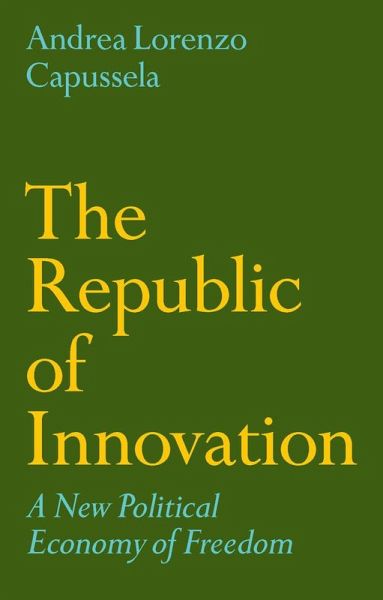
We cling to a distorted idea of freedom. To be free, we commonly think, means to be unconstrained. This widespread belief makes our societies less fair, as it fails to confront that freedom to act can mean freedom to dominate. But, as Andrea Capussela argues in this highly original combination of philosophy and economics, that is not all: it also makes us less prosperous. True freedom, Capussela writes, arises when no one is subject to another's will, be that the will of an employer, Big Tech, or the so-called elite. A society that strives toward this higher ideal will become more innovative, as increasing numbers of people are granted enough security to flourish, experiment, and take risks. Capussela intertwines political philosophy with cutting-edge theories of economic growth, presenting the synergy between them as the basis for political programmes that can help western democracies rise above the legacy of neoliberalism and overcome their crisis.