

Andere Kunden interessierten sich auch für
 The Republic22,99 €
 Building And Ruling The Republic V236,99 €
 The Great Republic109,90 €
") The Junior Republic Citizen V8-11, January, 1906 To February, 1909 (1906)34,99 €
The Junior Republic Citizen V8-11, January, 1906 To February, 1909 (1906)34,99 € The Blood Republic of Bengal22,99 €
 Poems at the End of the Republic20,99 €
") The Crisis Of The Republic (1900)24,99 €
The Crisis Of The Republic (1900)24,99 €
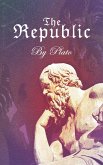


The Republic by Plato is one of the most influential works in Western philosophy, a profound dialogue that explores justice, the ideal state, and the nature of the human soul. Written around 380 BCE, the text presents Socrates in conversation with various interlocutors as they examine the meaning of justice and envision a perfectly just society governed by philosopher-kings. Through rich allegories-most famously the Allegory of the Cave-Plato delves into topics such as education, truth, the role of art, and the division of society into classes based on virtue and wisdom. The Republic remains a foundational text in political theory, ethics, and metaphysics, offering timeless insights into the structure of society and the pursuit of the good life.