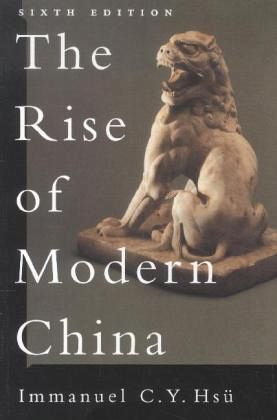
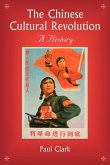
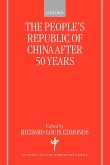
This new edition of the classic history of modern China since the seventeenth century has been updated to examine the return of Hong Kong in 1997 and the upcoming return of Macao in 1999. In his new concluding chapter, Hsü discusses the end of the last vestiges of foreign imperialism in China, as well as China's emergence as a regional and global superpower. US-China revalry and the prospect of unification between China and Taiwan are also considered. In addition, the further readings sections have been entirely revised.
This new edition of the classic history of modern China since the seventeenth century has been updated to examine the return of Hong Kong in 1997 and the upcoming return of Macao in 1999. In his new concluding chapter, Hsü discusses the end of the last vestiges of foreign imperialism in China, as well as China's emergence as a regional and global superpower. US-China revalry and the prospect of unification between China and Taiwan are also considered. In addition, the further readings sections have been entirely revised.
(Professor Emeritus of History, University of California, Santa Barbara, USA)
Inhaltsangabe
* 1. A Conceptual Framework of Modern China * I. The Persistence of Traditional Institutions, 1600- 1800 * 2. The Rise and Splendor of the Ch'ing Empire * 3. Political and Economic Institutions * 4. Social and Intellectual Conditions * 5. Foreign Relations * 6. The Turn of the Dynastic Fortune: From Prosperity to Decline * II. Foreign Aggression and Domestic Rebellions, 1800-1864 * 7. The Canton System of Trade * 8. The Opium War * 9. The Second Treaty Settlement * 10. The Taiping Revolution and the Nien and Moslem Rebellions * III. Self-strengthening in an Age of Accelerated Foreign Imperialism * 11. The Dynastic Revival and the Self-Strengthening Movement * 12. Foreign Relations and Court Politics, 1861-80 * 13. Foreign Encroachment in Formosa, Sinkiang, and Annam * 14. Acceleration of Imperialism: The Japanese Aggression in Korea and the "Partition of China" * IV. Reform and Revolution, 1898-1912 * : 15. The Reform Movement of 1898 * 16. The Boxer Uprising, 1900 * 17. Reform and Constitutionalism at the End of the Ch'ing Period * 18. Late Ch'ing Intellectual, Social and Economic Changes, with Special Reference to 1895-1911 * 19. The Ch'ing Period in Historical Perspective * 20. Revolution, Republic, and Warlordism * V. Ideological Awakening and the War of Resistance * 21. The Intellectual Revolution, 1917-23 * 22. National Unification Amidst Ideological Ferment and Anti-imperialistic Agitation * 23. The Nationalist Government: A Decade of Challenge, 1928-37 * 24. The Sino-Japanese War, 1937-45 * VI. The Rise of the Chinese People's Republic * 25. The Civil War, 1945-49 * 26. The People's Republic: Its First Decade * 27. The Sino-Soviet Split * 28. The Great Proletarian Cultural Revolution * 29. The Fall of Lin Pao and Its Aftermath * 30. China Rejoins the International Community * 31. The Nationalist Rule on Taiwan * VII. China After Mao: The Search for a New Order * 32. The Smashing of the Gang of Four * 33. Teng Hsiao-p'ing and China's New Order * 34. The Normalization * 35. The Four Modernizations * 36. The End of the Maoist Age * 37. Building Socialism with Chinese Characteristics * 38. China In Transition, 1986-88: The Cultural Impact of the Open-Door Policy * 39. Taiwan's "Economic Miracle" and the Prospect for Unification with Mainland China * 40. The Violent Crackdown at T'ien-an-men Square, June 3-4, 1989 * 41. The Chinese Model of Development: Quasi-capitalism in a Political Dictatorship * 42. The Rise of China * Appendix I; Appendix II; Illustration Credits; Index
* 1. A Conceptual Framework of Modern China * I. The Persistence of Traditional Institutions, 1600- 1800 * 2. The Rise and Splendor of the Ch'ing Empire * 3. Political and Economic Institutions * 4. Social and Intellectual Conditions * 5. Foreign Relations * 6. The Turn of the Dynastic Fortune: From Prosperity to Decline * II. Foreign Aggression and Domestic Rebellions, 1800-1864 * 7. The Canton System of Trade * 8. The Opium War * 9. The Second Treaty Settlement * 10. The Taiping Revolution and the Nien and Moslem Rebellions * III. Self-strengthening in an Age of Accelerated Foreign Imperialism * 11. The Dynastic Revival and the Self-Strengthening Movement * 12. Foreign Relations and Court Politics, 1861-80 * 13. Foreign Encroachment in Formosa, Sinkiang, and Annam * 14. Acceleration of Imperialism: The Japanese Aggression in Korea and the "Partition of China" * IV. Reform and Revolution, 1898-1912 * : 15. The Reform Movement of 1898 * 16. The Boxer Uprising, 1900 * 17. Reform and Constitutionalism at the End of the Ch'ing Period * 18. Late Ch'ing Intellectual, Social and Economic Changes, with Special Reference to 1895-1911 * 19. The Ch'ing Period in Historical Perspective * 20. Revolution, Republic, and Warlordism * V. Ideological Awakening and the War of Resistance * 21. The Intellectual Revolution, 1917-23 * 22. National Unification Amidst Ideological Ferment and Anti-imperialistic Agitation * 23. The Nationalist Government: A Decade of Challenge, 1928-37 * 24. The Sino-Japanese War, 1937-45 * VI. The Rise of the Chinese People's Republic * 25. The Civil War, 1945-49 * 26. The People's Republic: Its First Decade * 27. The Sino-Soviet Split * 28. The Great Proletarian Cultural Revolution * 29. The Fall of Lin Pao and Its Aftermath * 30. China Rejoins the International Community * 31. The Nationalist Rule on Taiwan * VII. China After Mao: The Search for a New Order * 32. The Smashing of the Gang of Four * 33. Teng Hsiao-p'ing and China's New Order * 34. The Normalization * 35. The Four Modernizations * 36. The End of the Maoist Age * 37. Building Socialism with Chinese Characteristics * 38. China In Transition, 1986-88: The Cultural Impact of the Open-Door Policy * 39. Taiwan's "Economic Miracle" and the Prospect for Unification with Mainland China * 40. The Violent Crackdown at T'ien-an-men Square, June 3-4, 1989 * 41. The Chinese Model of Development: Quasi-capitalism in a Political Dictatorship * 42. The Rise of China * Appendix I; Appendix II; Illustration Credits; Index
Es gelten unsere Allgemeinen Geschäftsbedingungen: www.buecher.de/agb
Impressum
www.buecher.de ist ein Internetauftritt der buecher.de internetstores GmbH
Geschäftsführung: Monica Sawhney | Roland Kölbl | Günter Hilger
Sitz der Gesellschaft: Batheyer Straße 115 - 117, 58099 Hagen
Postanschrift: Bürgermeister-Wegele-Str. 12, 86167 Augsburg
Amtsgericht Hagen HRB 13257
Steuernummer: 321/5800/1497
USt-IdNr: DE450055826