
Andere Kunden interessierten sich auch für
 The heart of the creeds, historical religion in the light of modern thought17,99 €
 A.-J.") A glossary; or, Collection of words, phrases, names, and allusions to customs, proverbs, etc., which have been thought to require illustration in the works of English authors, particularly Shakespeare and his contemporaries (Volume I) A.-J.46,99 €
A glossary; or, Collection of words, phrases, names, and allusions to customs, proverbs, etc., which have been thought to require illustration in the works of English authors, particularly Shakespeare and his contemporaries (Volume I) A.-J.46,99 € The Holy Sprit in Thought and Experience20,99 €
") The Muslim World; A Quarterly Review Of Current Events, Literature, And Thought Among Mohammedens And The Progress Of Christian Missions In Moslem Lands (Volume Xii)27,99 €
The Muslim World; A Quarterly Review Of Current Events, Literature, And Thought Among Mohammedens And The Progress Of Christian Missions In Moslem Lands (Volume Xii)27,99 € Of the Birth and Death of Nations. A Thought for the Crisis: 214,99 €
 Social Thought in England, 1480-173065,99 €
 Essays in the History of Religious Thought in the West24,99 €




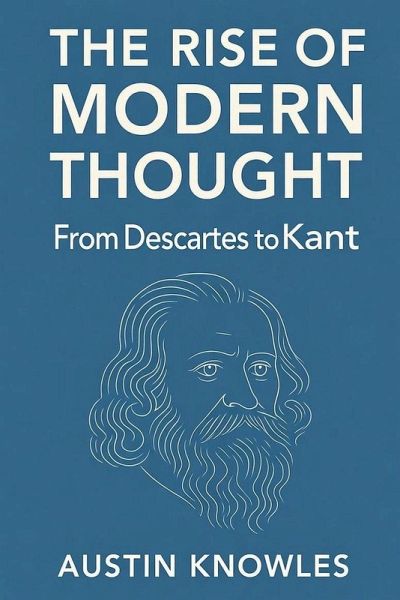
In a world shaken by scientific revolution, religious warfare, and political upheaval, a group of extraordinary thinkers forged new ways of understanding reality, knowledge, and human nature that continue to shape our lives today. "The Rise of Modern Thought" takes readers on an intellectual journey through the most transformative period in Western philosophy, revealing how brilliant minds from Descartes to Kant created the conceptual foundations of our modern world. Beginning with René Descartes' revolutionary quest for certainty amid the chaos of seventeenth-century Europe, this captivating narrative traces the development of philosophical ideas that would forever change humanity's understanding of itself and the universe. Readers will encounter Thomas Hobbes's unflinching analysis of human nature and political power in the shadow of civil war; Baruch Spinoza's radical vision of God as nature that got him expelled from his religious community; John Locke's influential defense of natural rights and religious tolerance that would inspire democratic revolutions; and David Hume's skeptical challenge to our most basic assumptions about causality and the self. The book illuminates the vibrant intellectual cultures that nurtured these breakthrough ideas-from the royal courts and universities where Cartesian philosophy was debated, to the coffeehouses of London where empiricism flourished, to the salons of Paris where Enlightenment thinkers championed reason and human progress. Each chapter brings to life not just abstract concepts but the fascinating personalities and historical contexts that shaped them, making complex philosophical debates accessible without sacrificing their depth or significance. As the narrative unfolds, readers will witness the emergence of powerful new ideas: that knowledge comes from experience rather than authority; that humans possess natural rights no government can legitimately violate; that understanding the natural world requires mathematics rather than metaphysics; and that moral principles should be based on reason and human dignity rather than divine command. The journey culminates with Immanuel Kant's monumental synthesis that established the boundaries of human knowledge while securing foundations for science, morality, and aesthetic judgment. His "Copernican revolution" in philosophy reconciled the rationalist and empiricist traditions while placing human freedom at the center of his system, completing the modern philosophical project while opening new directions for future thought. Written with clarity and verve, "The Rise of Modern Thought" makes the revolutionary ideas of this period come alive for both newcomers to philosophy and seasoned readers seeking a fresh perspective. It reveals how questions first formulated by these modern thinkers-about the nature of mind, the foundations of knowledge, the basis of morality, and the legitimacy of political authority-remain urgently relevant in our own time. By engaging with this extraordinary intellectual legacy, readers will gain not just historical understanding but conceptual tools for addressing contemporary challenges in a world still shaped by the philosophical revolutions of the modern era.