
Andere Kunden interessierten sich auch für
 To Nippon, the Land of the Rising Sun by the N.Y.K.: Guide Book to Japan, for the Use of Passengers by the Nippon. Yusen Kaisha (Japanese Mail Steamsh20,99 €
 Japanese Life, Love, and Legend: A Visit to the Empire of the Rising Sun. From Le Japon Pittoresque of Maurice Dubard24,99 €
 Red Men Rising from The Ashes19,99 €
 The Spirit of Prayer, Or, the Soul Rising Out of the Vanity of Time, Into the Riches of Eternity17,99 €
 Rising with the Underclass and Poems17,99 €
 The Duty of a Rising Christian State to Contribute to the World's Well-Being and Civilization, Oration14,99 €
 The Noble Science: A few General Ideas on Fox-hunting, for the use of the Rising Generation of Sport23,99 €




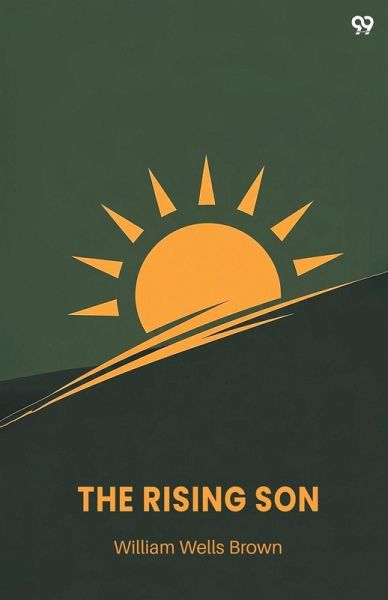
The rising son or the antecedents and advancement of the colored race is a historical narrative that traces the cultural, intellectual, and societal contributions of people of African descent, while challenging the widespread biases. It begins by acknowledging the scarcity of recorded history about African civilizations, a limitation the author seeks to overcome by assembling accounts that honor the dignity and legacy of Black identity. Drawing attention to powerful civilizations such as ancient Ethiopia, the text reclaims a narrative of innovation and influence long overshadowed by colonial distortions. Through reflections on heritage, it builds a case for respect and recognition of African achievement across global history. Interwoven within this broader historical arc is the personal story of the author, who rose from enslavement to become a voice of resistance and reform. His account highlights the resilience and intellectual pursuit that define the African-American experience. The book not only recounts past achievements but also positions them as foundations for future progress, advocating for education, justice, and equality in the face of persistent racial injustice.