
Andere Kunden interessierten sich auch für
 The Book of Trees16,99 €
 The World of Late Antiquity15,99 €
 The Art of Encaustic Painting: Contemporary Expression in the Ancient Medium of Pigmented Wax23,99 €
 The Old Architecture30,99 €
 Civilisations: How Do We Look / The Eye of Faith10,99 €
 The Roman Villa in the Mediterranean Basin235,99 €
 The Pantheon73,99 €



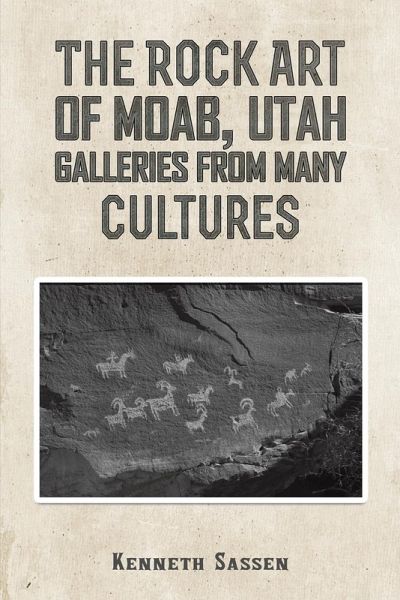
The image of the desert bighorn sheep everywhere adorns the canyon walls of the American Southwest. Whether painted or pecked onto the rock, these sheep can take on an amazing variety of box-like or streamlined designs. There are, for instance, sheep with heads that have short horns, sweeping rainbow horns, and, sometimes, iconic, curling ram horns. Sheep have legs that are shown with simple extremities, with bent legs as if they are running, with cloven hooves facing front or back, and even sheep with no legs at all. Are the long-gone artists trying to hint at a hidden code, or are the differences simply a preference in artistic style? We will probably never know the full story, but insights are to be had after a thorough inventory of rock art images are catalogued and studied. This is a matter of increased importance as our heritage of petroglyphs and pictographs is being lost to time and vandalism.