
Andere Kunden interessierten sich auch für
 Media, Religion and Culture196,99 €
 Methods for Studying Video Games and Religion176,99 €
 A New Gnosis106,99 €
 The Targum to "The Song of Songs." The Book of the Apple. The Ten Jewish Martyrs. A Dialogue on Games of Chance30,99 €
 The Politics of Race206,99 €
 Discourses on the Whole Book of Esther: To Which Are Added, Sermons, on Parental Duties, on Military Courage, and on the Improvement to Be Made of the36,99 €
 A Table in the Presence of My Enemies33,99 €





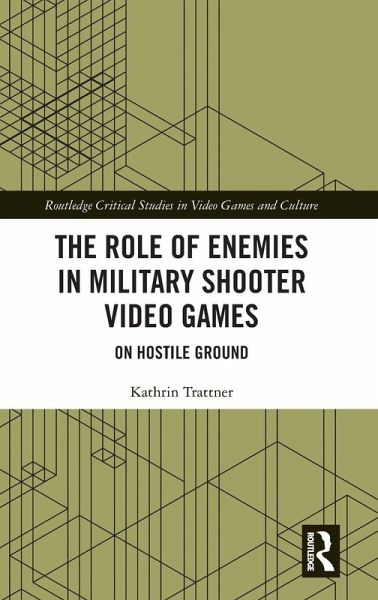
This book delivers a unique way of understanding the heart of every first¿person military shooter game - its enemies - from within the genre itself to present a nuanced view of opponents in war games. The analysis provides a systematic framework for a comparative and intersectional analysis that pays attention to multiple layers of video games, such as narrative, audiovisuality, gameplay, and the construction of ludic space, considering genre¿specific conventions and mechanics. Integrating theories and methods from game studies, cultural studies, and religious studies, this book introduces the concept of "ludic othering." By applying this concept to a variety of military shooters produced during the heyday of the War on Terror, this book illustrates "ludic othering's" analytical potential in answering a central question: What social and cultural ascriptions are at play in the representation of enemies? This volume will interest students and scholars of video game studies, religious and cultural studies, digital media, genre, history, postcolonial studies, and communication studies.