
Andere Kunden interessierten sich auch für
 The Magars: Constructing Ethnic Identity in Nepal62,99 €
 Theoretical and methodological issues in the constitution of teacher identity46,99 €
 Without Rezervations, The Deconstruction of Indian Identity41,99 €
 The Midnight Chronicles18,99 €
 The Dominance of Multi-National Corporations27,99 €
 7 Pillars Of Great Leaders' Character26,99 €
 Place branding: links between place identity and place stakeholders36,99 €

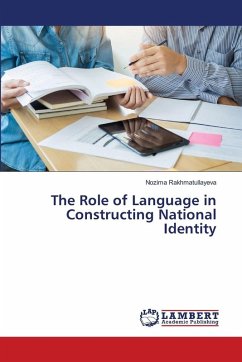
This book cites how language is crucial to the formation of national identity as a means of political power, social solidarity, cultural expression and communication. It focuses on the connection between national identity and language, demonstrating how a common language can serve as a symbol of political independence, preserve cultural heritage, and unite people. The book also explores how language affects social dynamics by excluding and incorporating individual groups within the country. The culture, morals and customs of the country are reflected in its language. It affects both internal solidarity and external recognition by influencing how people interact with their culture, history and country. The country can claim its identity through language, discussing the problems of multilingualism and cultural diversity.