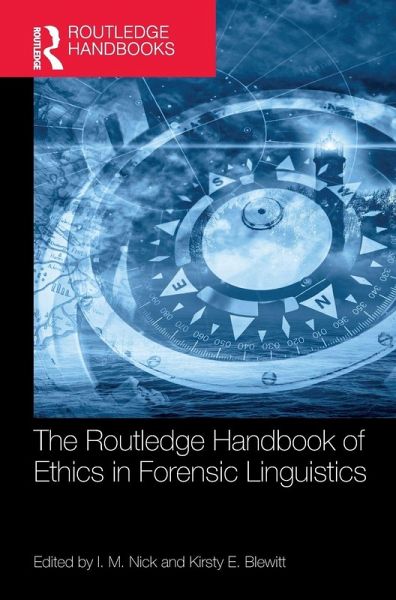
The Routledge Handbook of Ethics in Forensic Linguistics is the first comprehensive reference work to explore the ethical dimensions of forensic language analysis across a range of applied and academic contexts. With the use of linguistic and phonetic evidence now commonplace in legal investigations and court proceedings, questions of consent, bias, responsibility, and professional integrity have become increasingly urgent. This volume brings together over 30 original chapters by leading scholars and practitioners in forensic linguistics and speech science to critically examine these issues.…mehr
The Routledge Handbook of Ethics in Forensic Linguistics is the first comprehensive reference work to explore the ethical dimensions of forensic language analysis across a range of applied and academic contexts. With the use of linguistic and phonetic evidence now commonplace in legal investigations and court proceedings, questions of consent, bias, responsibility, and professional integrity have become increasingly urgent. This volume brings together over 30 original chapters by leading scholars and practitioners in forensic linguistics and speech science to critically examine these issues. Chapters span a wide range of research and practice settings, from expert testimony and investigative consultancy to academic publishing, teaching, and public engagement. This handbook addresses ethical questions across diverse linguistic and legal systems and offers both conceptual frameworks and practical guidance for navigating the ethical challenges of forensic language work. This authoritative resource is essential reading for researchers, practitioners, and students in applied linguistics, sociolinguistics, phonetics, criminology, psychology, and legal studies.
I. M. Nick holds a PhD (English Linguistics); an MA (German Linguistics); a MSc (Forensic Psychology); and the German "Habilitation". Former Chair of the Linguistic Society of America's Committee on Ethnic Diversity in Linguistics, she's President of the Germanic Society for Forensic Linguistics. Her forensic linguistic research investigates criminal aliases, the Holocaust, threat communications, and suicide. Kirsty E. Blewitt is Lecturer in Criminology and Sociology at Northumbria University (UK). Her multimodal linguistic research focuses on language use in courtroom interactions, the police utilization of language, and survivor narratives in domestic violence and abuse cases.
Inhaltsangabe
1. Introduction - I. M. Nick. Section I: Providing Expertise as a Consultant. 2. The Integrity of Forensic Analysis - Robin T. Bowen. 3. Ethics and Professional Conduct Oversight in Forensic Linguistic Expert Evidence - Isabel Picornell. 4. The Expert's Role in the Justice System is to Provide Impartial and Transparent Evidence, Not to Perform Social Advocacy - Richard Rhodes and Tina Cambier-Langeveld. 5. Ethical Issues Encountered in Forensic Linguistic Practice: Case Examples Inspired by Real Life Cases - Tina Cambier-Langeveld and Richard Rhodes. 6. Maintaining Professional Distancing in Social Justice Cases of Non-Native Speakers (NNS) - Margaret Van Naerssen. 7. An Intelligence Scaffold to Aid Ethical Considerations in Forensic Linguistic Casework - Ria Perkins, James Rosie, and Sharon Glaas. 8. Psychological Biasing in Forensic Linguistic Research: Is Such Information Obtained Expertly and Ethically? - Ray Bull and Iris Blandón-Gitlin. 9. Countering Pseudolinguistic Claims: The Ethical Challenges Facing Forensic Linguists - Tanya Karoli Christensen and Sofia Navarro Beck. 10. Disinformative Linguistics: Using Linguistic Science for Unethical Purposes - Timothy Habick. 11. Ethics and Linguistic Practice of Dutch Police Interrogations: The Right to Silence - Martha Komter. Section II: Serving as An Expert Witness. 12. Linguists and Lawyers: Ethical Challenges in an Adversary System - Robin Conley Riner and John M. Conley. 13. The Expert Witness and the Ethics of Advocacy - Michael O'Laughlin. 14. Challenging Legal Assumptions: Ethics, Due Process, and Forensic Linguistic Research - Mel Greenlee. 15. The Forensic Linguist's Ethical Duty to Explain Language Use to Triers of Fact - Dakota Wing. 16. The Golden Rule and the Golden Thread: The Ethics of Communicating the Criminal Standard of Proof - Chris Heffer. 17. Ethical Uncertainties and Inconsistencies in Diminished Responsibility Rulings: The Case for Fictionalism - Felicity Deamer and Sam Wilkinson. 18. Tightening the Rein on Expert Evidence: Ethical Reasons for Judicial Gatekeeping in the Canadian Context and Implications for Forensic Linguistics - Jennifer Glougie. 19. Ethical Expert Practice: Engaging with Everyday Linguistic Harms - Kelly Elizabeth Wright. 20. A Critical Evaluation of the Legal System in England and Wales for Sex Abuse Crimes Involving Adult Witnesses with an Intellectual Disability: Deliberations on Special Measures - Michelle Aldridge and Tina Pereira. 21. The Problematic Nature of L1 and Translation in US Criminal Courts: Access, Ethics, and Errors - Mel Greenlee. Section III: Researching, Teaching, Publishing, and Providing for the Next Generation. 22. "Too Close to Home": A Dialogue on the Ethics of Forensic Linguists' Proximity to their Data - Grace Sullivan Buker. 23. Navigating Legality, Linguistic Rights, and Social Justice in Linguistic Research with Deaf Refugees - Nina Sivunen and Johanna Ennser-Kananen. 24. Ethical Research Practices with Highly Stigmatized Populations: Engaging with Individuals Convicted of Sexual Offenses - Stina Lindegren. 25. Ethical Considerations of Working with Political Extremist Threat Communications - I. M. Nick and Ulrike Preiss. 26. Ethical Considerations in Corpus-based Legal Interpretation Analysis. Brett Hashimoto and Derek Haderlie - 27. Get Your Hands Off My Idiolect! A Spectrum Model of Misuse of Idiolectal Information as a Heuristic Tool - Peter S. Harrison and Dominic Watt. 28. Analyzing the Language of Non-Human Animals: Why Should Forensic Linguists Care? - Meike M. de Boer. 29. "So this is how you can manipulate witnesses!": Ethical Considerations in the Teaching and Dissemination of Research in Forensic Linguistics - Karoline Marko. 30. Teaching Sensitive Topics in Forensic Linguistics: Ethical Implications for Students and Lecturers - Samuel Larner. 31. Welcome Forensic Linguists!: Ethical Forensic Linguistics Pedagogy and Classroom Practice - Christine Jacknick and M. Peregrine Balmat. 32. Ethics and Publishing in Forensic Linguistics: Policing Credibility - Sarah Frances Gordon and Bernardo Turnbull Plaza. 33. Diversity in Forensic Linguistics: A Call To Fulfill the Promise - I. M. Nick. 34. Concluding Thoughts - I. M. Nick.
1. Introduction - I. M. Nick. Section I: Providing Expertise as a Consultant. 2. The Integrity of Forensic Analysis - Robin T. Bowen. 3. Ethics and Professional Conduct Oversight in Forensic Linguistic Expert Evidence - Isabel Picornell. 4. The Expert's Role in the Justice System is to Provide Impartial and Transparent Evidence, Not to Perform Social Advocacy - Richard Rhodes and Tina Cambier-Langeveld. 5. Ethical Issues Encountered in Forensic Linguistic Practice: Case Examples Inspired by Real Life Cases - Tina Cambier-Langeveld and Richard Rhodes. 6. Maintaining Professional Distancing in Social Justice Cases of Non-Native Speakers (NNS) - Margaret Van Naerssen. 7. An Intelligence Scaffold to Aid Ethical Considerations in Forensic Linguistic Casework - Ria Perkins, James Rosie, and Sharon Glaas. 8. Psychological Biasing in Forensic Linguistic Research: Is Such Information Obtained Expertly and Ethically? - Ray Bull and Iris Blandón-Gitlin. 9. Countering Pseudolinguistic Claims: The Ethical Challenges Facing Forensic Linguists - Tanya Karoli Christensen and Sofia Navarro Beck. 10. Disinformative Linguistics: Using Linguistic Science for Unethical Purposes - Timothy Habick. 11. Ethics and Linguistic Practice of Dutch Police Interrogations: The Right to Silence - Martha Komter. Section II: Serving as An Expert Witness. 12. Linguists and Lawyers: Ethical Challenges in an Adversary System - Robin Conley Riner and John M. Conley. 13. The Expert Witness and the Ethics of Advocacy - Michael O'Laughlin. 14. Challenging Legal Assumptions: Ethics, Due Process, and Forensic Linguistic Research - Mel Greenlee. 15. The Forensic Linguist's Ethical Duty to Explain Language Use to Triers of Fact - Dakota Wing. 16. The Golden Rule and the Golden Thread: The Ethics of Communicating the Criminal Standard of Proof - Chris Heffer. 17. Ethical Uncertainties and Inconsistencies in Diminished Responsibility Rulings: The Case for Fictionalism - Felicity Deamer and Sam Wilkinson. 18. Tightening the Rein on Expert Evidence: Ethical Reasons for Judicial Gatekeeping in the Canadian Context and Implications for Forensic Linguistics - Jennifer Glougie. 19. Ethical Expert Practice: Engaging with Everyday Linguistic Harms - Kelly Elizabeth Wright. 20. A Critical Evaluation of the Legal System in England and Wales for Sex Abuse Crimes Involving Adult Witnesses with an Intellectual Disability: Deliberations on Special Measures - Michelle Aldridge and Tina Pereira. 21. The Problematic Nature of L1 and Translation in US Criminal Courts: Access, Ethics, and Errors - Mel Greenlee. Section III: Researching, Teaching, Publishing, and Providing for the Next Generation. 22. "Too Close to Home": A Dialogue on the Ethics of Forensic Linguists' Proximity to their Data - Grace Sullivan Buker. 23. Navigating Legality, Linguistic Rights, and Social Justice in Linguistic Research with Deaf Refugees - Nina Sivunen and Johanna Ennser-Kananen. 24. Ethical Research Practices with Highly Stigmatized Populations: Engaging with Individuals Convicted of Sexual Offenses - Stina Lindegren. 25. Ethical Considerations of Working with Political Extremist Threat Communications - I. M. Nick and Ulrike Preiss. 26. Ethical Considerations in Corpus-based Legal Interpretation Analysis. Brett Hashimoto and Derek Haderlie - 27. Get Your Hands Off My Idiolect! A Spectrum Model of Misuse of Idiolectal Information as a Heuristic Tool - Peter S. Harrison and Dominic Watt. 28. Analyzing the Language of Non-Human Animals: Why Should Forensic Linguists Care? - Meike M. de Boer. 29. "So this is how you can manipulate witnesses!": Ethical Considerations in the Teaching and Dissemination of Research in Forensic Linguistics - Karoline Marko. 30. Teaching Sensitive Topics in Forensic Linguistics: Ethical Implications for Students and Lecturers - Samuel Larner. 31. Welcome Forensic Linguists!: Ethical Forensic Linguistics Pedagogy and Classroom Practice - Christine Jacknick and M. Peregrine Balmat. 32. Ethics and Publishing in Forensic Linguistics: Policing Credibility - Sarah Frances Gordon and Bernardo Turnbull Plaza. 33. Diversity in Forensic Linguistics: A Call To Fulfill the Promise - I. M. Nick. 34. Concluding Thoughts - I. M. Nick.
Es gelten unsere Allgemeinen Geschäftsbedingungen: www.buecher.de/agb
Impressum
www.buecher.de ist ein Internetauftritt der buecher.de internetstores GmbH
Geschäftsführung: Monica Sawhney | Roland Kölbl | Günter Hilger
Sitz der Gesellschaft: Batheyer Straße 115 - 117, 58099 Hagen
Postanschrift: Bürgermeister-Wegele-Str. 12, 86167 Augsburg
Amtsgericht Hagen HRB 13257
Steuernummer: 321/5800/1497
USt-IdNr: DE450055826