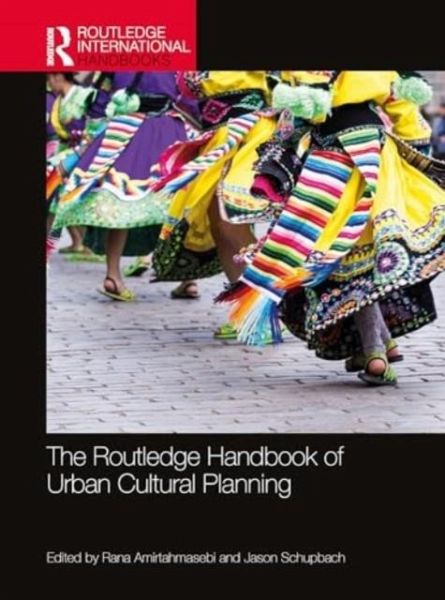
This book provides a manual for planning for arts and culture in cities, featuring chapters and case studies from Africa, the Americas, Australasia, the Middle East, South and East Asia, and more. The handbook is organized around seven themes: arts and planning for equity and social development; incorporating culture in urban planning; the intersection of creative and cultural industries and tourism planning; financing; public buildings, public space and public art; cultural heritage planning; and culture and the climate crisis. Urban planners are often tasked with preserving and attracting…mehr
This book provides a manual for planning for arts and culture in cities, featuring chapters and case studies from Africa, the Americas, Australasia, the Middle East, South and East Asia, and more. The handbook is organized around seven themes: arts and planning for equity and social development; incorporating culture in urban planning; the intersection of creative and cultural industries and tourism planning; financing; public buildings, public space and public art; cultural heritage planning; and culture and the climate crisis. Urban planners are often tasked with preserving and attracting new art and culture to a city, but there are no common rules on how practitioners accomplish this work. This handbook will be an invaluable resource for city planners and designers, cultural workers, elected officials, artists, and social justice workers and advocates seeking to integrate creativity and culture into urban planning.
Rana Amirtahmasebi is an economic development and cultural planning strategist and researcher. She is the founder of Eparque Urban Strategies in New York and previously worked at the World Bank, Aga Khan Programme on Islamic Architecture at MIT and several other entities. Jason Schupbach is the dean of the Westphal College of Media Arts & Design at Drexel University. He is a nationally recognized expert in the role that arts and design play in improving communities.
Inhaltsangabe
0.1 Foreword: Culture is our Super Power 0.2 Introduction: Urban Cultural Planning Now: Some Thoughts and Executive Summary Section 1: Belonging in the City: Arts and Planning for Equity/Social Development 1.1. Cultural Planning, Cultural Policy, and the Civic We 1.2. Creative Placemaking's "Long Tail" 1.3. The Importance of Storytelling to the Individual, the Community, and its Implications for Public Mental Health 1.4. Place, Cultural Planning, and Immigration in Australia 1.5. Civic Imagination: An Artist Offers Ten Proposals Section 2: Planning For and With Culture in Urban Planning 2.1. Cities for the Imagination (Or, Seven Provocations on Potential Futures for Urban+Creative Practices) 2.2. Reflections on NYC's First Cultural Plan: A Conversation Between Eddie Torres and Tom Finkelpearl 2.3. Cultural Districts and Cultural Policy 2.4. Cultural Asset Mapping in Urban Communities 2.5. Identity and Place Attachment in Cultural Planning 2.6. Transforming Communities: Addressing Housing Instability through Art, Advocacy, and Collective Action 2.7. Painting a Strategy, Dancing a Meeting: What Can the Arts Lend to Transit Planning? Section 3: Creative and Cultural Industries and Global Tourism Planning 3.1. The Creative Economy So Far in the 2000s 3.2. A Glance in Brazil: Creative Economy Policies Aimed at Mitigating the Effects of the Pandemic 3.3. Night Time Economy: From Cinderella Policy to a Global Movement 3.4. The Making of a Music City: Catalysts, Approaches, Benefits and Challenges of Enactment 3.5. From Wellington to Wellywood: Mapping the Emergence of a Global Screen Production Hub 3.6. World Design Capital 2024 San Diego - Tijuana: Preparing a Region for a Global Designation by Owning Your Foibles, Warts and Scars Section 4: Financing Arts and Culture - For What Goal? 4.1. The Eight Pillars of American Cultural Policy 4.2. Artists as Allies in Economic Justice 4.3. Financing A Diverse Future through Community Ownership 4.4. Culture, Community, Equity, Belonging 4.5. Cultural Land Trusts as an Emerging Solution to the Arts Space Crisis 4.6. Reimagining the Cultural District: From Economic Transaction to Collective Cultural Thriving Section 5: Cultural Institutions and Buildings, Public Space and Public Art 5.1. The Future is Promised to No One: On Museum Precarity, Adaptability & Sustainability 5.2. Museums: Growth, Crises and Prospects 5.3. Transformative Urban Regeneration in Victoria Yards 5.4. Case Study: How We Created the World's First Publicly Accessible Art Storage Facility 5.5. "Practicing in Public" Section 6: How the Past Informs Our Future: Heritage Planning 6.1. The Preservation of Urban Heritage. A New Frontier for the Governance of Cultural Assets. Lessons from Latin American World Heritage Sites 6.2. Site-Based Pedagogies: Connecting Heritage Education and Critical Heritage Practice 6.3. Heritage as a Way to Interpret and Inhabit the Territory 6.4. Urban Heritage Conservation and Revitalization on Japan's Shrinking Society: A Challenge to the Picturesque Historic Port City of Onomichi Section 7: Culture and the Climate Crisis 7.1. Sustainable Development in Cultural Districts, a Research Report Exploring Practices of Ten Cities Around the World 7.2. Integrating Culture and Disaster Risk Management in Urban Planning for more Resilient Societies 7.3. The Cultural Dimensions of Climate Change: An African-Indigenous Framework 7.4. A Feral Commons: Methodologies for Commissioning Sustainable Public Art 7.5. Conservation Regulations and Urban Planning in Climate Change Era Section 8: In Closing 8.1. Communities Deserve Creative Outlets: A Conversation Between Chair Dr. Maria Rosario Jackson and Senior Advisor Jen Hughes of the National Endowment for the Arts on Artful Lives and Equitable Community Development
0.1 Foreword: Culture is our Super Power 0.2 Introduction: Urban Cultural Planning Now: Some Thoughts and Executive Summary Section 1: Belonging in the City: Arts and Planning for Equity/Social Development 1.1. Cultural Planning, Cultural Policy, and the Civic We 1.2. Creative Placemaking's "Long Tail" 1.3. The Importance of Storytelling to the Individual, the Community, and its Implications for Public Mental Health 1.4. Place, Cultural Planning, and Immigration in Australia 1.5. Civic Imagination: An Artist Offers Ten Proposals Section 2: Planning For and With Culture in Urban Planning 2.1. Cities for the Imagination (Or, Seven Provocations on Potential Futures for Urban+Creative Practices) 2.2. Reflections on NYC's First Cultural Plan: A Conversation Between Eddie Torres and Tom Finkelpearl 2.3. Cultural Districts and Cultural Policy 2.4. Cultural Asset Mapping in Urban Communities 2.5. Identity and Place Attachment in Cultural Planning 2.6. Transforming Communities: Addressing Housing Instability through Art, Advocacy, and Collective Action 2.7. Painting a Strategy, Dancing a Meeting: What Can the Arts Lend to Transit Planning? Section 3: Creative and Cultural Industries and Global Tourism Planning 3.1. The Creative Economy So Far in the 2000s 3.2. A Glance in Brazil: Creative Economy Policies Aimed at Mitigating the Effects of the Pandemic 3.3. Night Time Economy: From Cinderella Policy to a Global Movement 3.4. The Making of a Music City: Catalysts, Approaches, Benefits and Challenges of Enactment 3.5. From Wellington to Wellywood: Mapping the Emergence of a Global Screen Production Hub 3.6. World Design Capital 2024 San Diego - Tijuana: Preparing a Region for a Global Designation by Owning Your Foibles, Warts and Scars Section 4: Financing Arts and Culture - For What Goal? 4.1. The Eight Pillars of American Cultural Policy 4.2. Artists as Allies in Economic Justice 4.3. Financing A Diverse Future through Community Ownership 4.4. Culture, Community, Equity, Belonging 4.5. Cultural Land Trusts as an Emerging Solution to the Arts Space Crisis 4.6. Reimagining the Cultural District: From Economic Transaction to Collective Cultural Thriving Section 5: Cultural Institutions and Buildings, Public Space and Public Art 5.1. The Future is Promised to No One: On Museum Precarity, Adaptability & Sustainability 5.2. Museums: Growth, Crises and Prospects 5.3. Transformative Urban Regeneration in Victoria Yards 5.4. Case Study: How We Created the World's First Publicly Accessible Art Storage Facility 5.5. "Practicing in Public" Section 6: How the Past Informs Our Future: Heritage Planning 6.1. The Preservation of Urban Heritage. A New Frontier for the Governance of Cultural Assets. Lessons from Latin American World Heritage Sites 6.2. Site-Based Pedagogies: Connecting Heritage Education and Critical Heritage Practice 6.3. Heritage as a Way to Interpret and Inhabit the Territory 6.4. Urban Heritage Conservation and Revitalization on Japan's Shrinking Society: A Challenge to the Picturesque Historic Port City of Onomichi Section 7: Culture and the Climate Crisis 7.1. Sustainable Development in Cultural Districts, a Research Report Exploring Practices of Ten Cities Around the World 7.2. Integrating Culture and Disaster Risk Management in Urban Planning for more Resilient Societies 7.3. The Cultural Dimensions of Climate Change: An African-Indigenous Framework 7.4. A Feral Commons: Methodologies for Commissioning Sustainable Public Art 7.5. Conservation Regulations and Urban Planning in Climate Change Era Section 8: In Closing 8.1. Communities Deserve Creative Outlets: A Conversation Between Chair Dr. Maria Rosario Jackson and Senior Advisor Jen Hughes of the National Endowment for the Arts on Artful Lives and Equitable Community Development
Es gelten unsere Allgemeinen Geschäftsbedingungen: www.buecher.de/agb
Impressum
www.buecher.de ist ein Internetauftritt der buecher.de internetstores GmbH
Geschäftsführung: Monica Sawhney | Roland Kölbl | Günter Hilger
Sitz der Gesellschaft: Batheyer Straße 115 - 117, 58099 Hagen
Postanschrift: Bürgermeister-Wegele-Str. 12, 86167 Augsburg
Amtsgericht Hagen HRB 13257
Steuernummer: 321/5800/1497
USt-IdNr: DE450055826