
Andere Kunden interessierten sich auch für
 Crawford's System on the Science and art of Garment Cutting25,99 €
 A Treatise on the Measurement of the Human Body and the Art of Cutting Materials for Gentlemen's Clothes25,99 €
 Cutting-Edge Business Technologies in the Big Data Era166,99 €
 Measure and Instruction Book for the U. S. Dress-cutting System25,99 €
 The Industrial Laser Handbook76,99 €
 Thirty Years at the Cutting-board27,99 €
 The International Cutting School's System of Cutting29,99 €

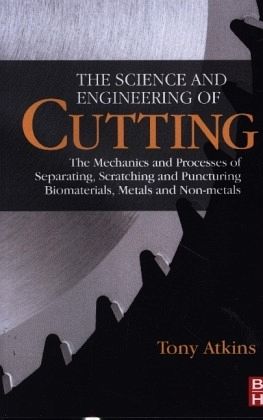
The materials mechanics of the controlled separation of a body into two or more parts - cutting - using a blade or tool or other mechanical implement is a ubiquitous process in most engineering disciplines. This is the only book available devoted to the cutting of materials generally, the mechanics of which (toughness, fracture, deformation, plasticity, tearing, grating, chewing, etc.) have wide ranging implications for engineers, medics, manufacturers, and process engineers, making this text of particular interest to a wide range of engineers and specialists.
"This book will be unique in really examining all forms of cutting and machining. Prof. Atkins writes in a discursive, very readable fashion bringing in examples from a wide range of sources. I am sure the book will be accessible to a wide range of readers from the first year undergraduate to the most experienced research worker." --Brian Cotterel, University of Sydney