
Andere Kunden interessierten sich auch für
 The Shaping of Modern Ireland71,99 €
 The Felon's Track; Or, History of the Attempted Outbreak in Ireland30,99 €
 A Personal Narrative of Those Transactions in the County Wexford, in Which the Author Was Engaged, During ... 179831,99 €
 Modern Ireland and Revolution32,99 €
 Gun Running for Casement in the Easter Rebellion, 191629,99 €
 Redmond32,99 €
 Remembering the Year of the French45,99 €
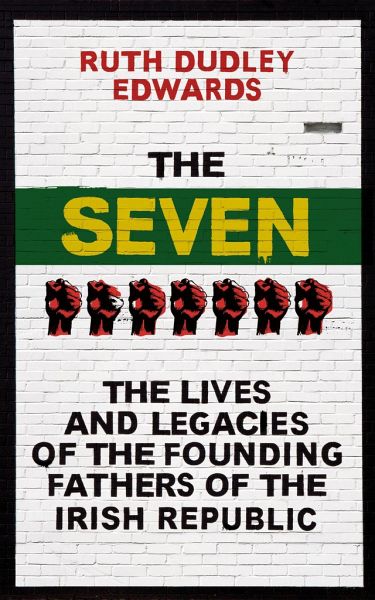
On the morning of Easter Sunday, 23 April 1916, the seven men who made up the Military Council of the secret Irish Republican Brotherhood gathered in Dublin's Liberty Hall. By noon, the Proclamation of the Irish Republic, in which they declared themselves to be the provisional government of an entity that claimed the allegiance of every Irishman and Irishwoman, had been taken to the printers. Each man knew full well that in putting his name to this document he had signed his own death warrant. Carnage, destruction, humiliation and posthumous glory followed. As did an Ireland that would have satisfied none of them - partitioned, sectarian, mean-spirited, hostile to challenge or creativity and governed by narrow self-interest. Increasingly, there is recognition that it's time for an honest discussion of the Rising and its legacy. While not everyone agrees that what they did took Ireland in the right direction, there is no doubting that their proclamation and subsequent initiation of an armed rebellion profoundly changed the course of Irish history. A major contribution to the discourse, this is the first work to properly scrutinize Ireland's founding fathers, examining how they came to espouse violence, how their lives converged and whether they had a coherent vision for Ireland or were, as some now allege, a collection of ill-assorted fanatical misfits and failures. Brilliant and thought-provoking, The Seven sets out to answer the fundamental questions of who the founding fathers really were and whether they were right or wrong.