
Andere Kunden interessierten sich auch für
 Chinese Culture Through Legends and Fiction34,99 €
 Navigating Imaginary Worlds137,99 €
 Imagining Alternative Worlds127,99 €
 Imagining Alternative Worlds35,99 €
 New Directions in 21st-Century Gothic47,99 €
 Apocalypse Ready: The Manual of Manuals; A Century of Panic Prevention27,99 €
 A Short History of the Labour Party52,99 €



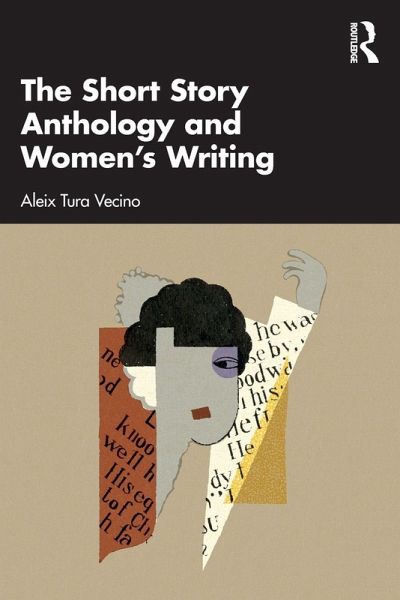
Hundreds of anthologies of women's short stories have appeared in the literary market between the 1970s and now. This publishing and cultural phenomenon is considered for the first time in this book, which argues that, during this period, anthologies have become a literary technology used not only to make visible female short story writers, but also to think about, and mould ideas of, womanhood. Through creative and contextualised readings of the most important anthologies produced in this period, this study shows that this literary form has contributed to, and in some cases pioneered, key developments in gender theory and feminist thought, including questions of political combination among women which underlie contemporary global movements such as #MeToo. In doing so, the book also develops the first book-length conceptualisation of the features and meaning-making mechanisms of the short story anthology as a literary form.
This book will benefit academics and studentsworking in the fields of short fiction, publishing, and women's studies, as well as feminist scholars and a growing number of specialists interested in the anthology as a literary form worldwide.
This book will benefit academics and studentsworking in the fields of short fiction, publishing, and women's studies, as well as feminist scholars and a growing number of specialists interested in the anthology as a literary form worldwide.