
Andere Kunden interessierten sich auch für
 Brecht and Co.146,50 €
 Theatre in the Berlin Republic91,55 €
 'Der Mensch! die Welt! Alles'109,85 €
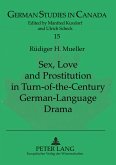
 Sex, Love and Prostitution in Turn-of-the-Century German-Language Drama55,95 €
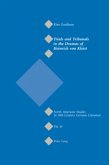
 Trials and Tribunals in the Dramas of Heinrich von Kleist56,35 €
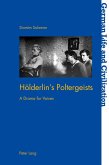
 Hölderlin's Poltergeists51,50 €
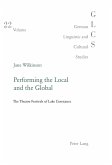
 Performing the Local and the Global59,95 €
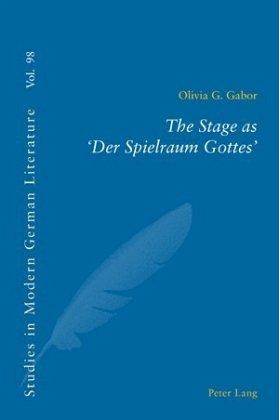
Until the second half of the nineteenth century, the concept of the divine plays an obvious and major role in German literature. Through an analysis of twentieth-century German theatre, this book investigates continuities and discontinuities of this tradition. More specifically, it examines the modern estrangement from religious traditions coupled with the modern alienation from language. This work, however, reveals that there is also a continued divine presence on the stage in modernity, despite the general historical turn toward secular atheism. It deals with divine presence in the plays of Hugo von Hofmannsthal, Wolfgang Borchert, Bertolt Brecht and Friedrich Dürrenmatt and analyzes their struggles with the limitations of language. The book demonstrates how these playwrights turn their skepticism toward language into a theatre where the stage becomes a playground for the divine.
"La obra de Gabor es, sin lugar a dudas, un trabajo brillante, riguroso y muy sólido que contribuye con ideas novedosas y argumentos irrefutables a la definición de la Modernidad, de su literatura y del nuevo concepto de lo divino después de la 'muerte de Dios'." (Isabel García Adánez, Revista de Filología Alemana)