


Andere Kunden interessierten sich auch für
") The Stones Of Venice (Volume I)34,99 €
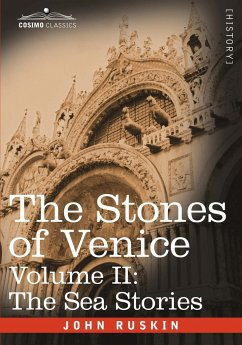
The Stones Of Venice (Volume I)34,99 € The Stones of Venice - Volume II32,99 €
 The Stones of Venice: Introductory Chapters and Local Indices for the Use of Travellers While Staying in Venice and Verona; Volume 132,99 €
 The Stones of Venice: Introductory Chapters and Local Indices for the Use of Travellers While Staying in Venice and Verona; Volume 232,99 €
 The Stones of Venice - Volume II49,99 €
 The Stones of Venice - Volume I49,99 €
 The Nature of Gothic: A Chapter From The Stones of Venice27,99 €




Venice's stones speak of splendour and sorrow, artistry and ambition. In The Stones Of Venice (Volume I), John Ruskin unveils the soul of a city through its architecture, guiding readers on a vivid journey into the heart of Venetian Gothic style. This art history classic blends passionate observation with meticulous Victorian architecture analysis, offering a richly detailed exploration of Venice's historical architecture and its enduring cultural heritage. Ruskin's architectural criticism book is more than a study; it is an invitation to see, to feel, and to understand the art and architecture of Italy as the living memory of 19th century Europe. Each page reveals how buildings become storytellers, reflecting the spirit of their age and the genius of their makers. For art students, architecture enthusiasts, and collectors of John Ruskin's architectural works, this volume serves as an essential reference and a gateway to deeper appreciation of Venice's unique legacy. Republished by Alpha Editions in a careful modern edition, this volume preserves the spirit of the original while making it effortless to enjoy today - a heritage title prepared for readers and collectors alike. Whether you are embarking on a cultural heritage exploration or seeking a cornerstone for your library, The Stones Of Venice (Volume I) remains an enduring guide to the beauty and meaning of Venice's architectural history.