
Albena Lutzkanova-Vassileva
The Testimonies of Russian and American Postmodern Poetry
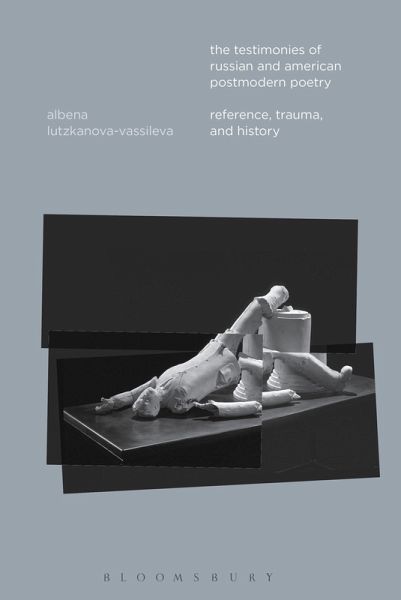
Albena Lutzkanova-Vassileva
The Testimonies of Russian and American Postmodern Poetry
- Broschiertes Buch
Andere Kunden interessierten sich auch für
 John PollenRhymes From the Russian22,99 €
 Olga TabachnikovaRussian Irrationalism from Pushkin to Brodsky70,99 €
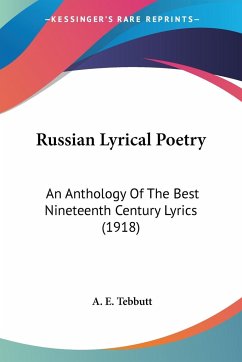
 A. E. TebbuttRussian Lyrical Poetry16,99 €
 J. D. DanielsThe Correspondence14,99 €
 Maftuna AbdurasulovaRussian poet with an Uzbek heart10,99 €
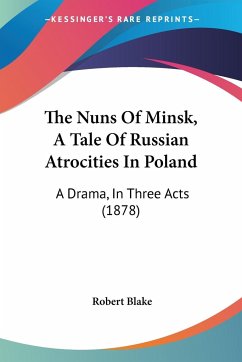
 Robert BlakeThe Nuns Of Minsk, A Tale Of Russian Atrocities In Poland12,99 €
 Philip BroussardTestimonies Of The Spirit9,99 €
-
-
-


Produktdetails
- Verlag: Bloomsbury 3PL
- Seitenzahl: 306
- Erscheinungstermin: 30. Juni 2016
- Englisch
- Abmessung: 229mm x 152mm x 17mm
- Gewicht: 446g
- ISBN-13: 9781501322662
- ISBN-10: 1501322664
- Artikelnr.: 44318889
- Herstellerkennzeichnung
- Libri GmbH
- Europaallee 1
- 36244 Bad Hersfeld
- gpsr@libri.de
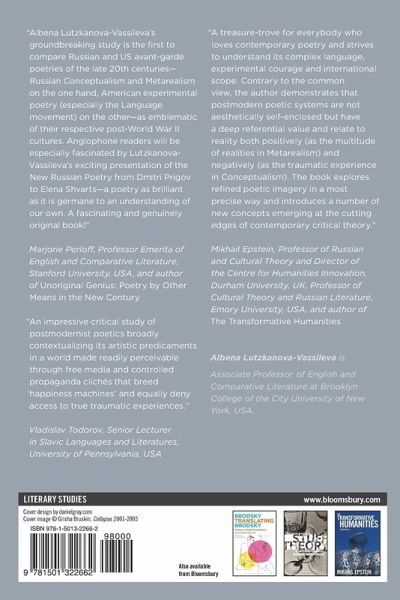
Albena Lutzkanova-Vassileva is Assistant Professor of English and Comparative Literature at Brooklyn College of the City University of New York, USA.
INTRODUCTION: Witnessing History: The Voice of Postmodern Poetry
PART 1
Post-Communist Traumas, Post-Modernist Testimonies: Reference, History, and
Memory in Russian Conceptualism and Metarealism
I. The Problem of Reference in Russian Conceptualism
1. The Origins and Meanings of Russian Conceptualism
2. The Striptease of Totalitarian Concepts: De-referencing the Communist
Idiom
3. Life on the Threshold: Ideological Manipulations of the 1980s
4. Witnessing a Catastrophe: The Sudden Breakdown of Communism
5. The Unforeseen Arrival of the Future. Displacements in a Post-Futurity
Modus Vivendi
6. Traumatizing the Mind. Psychological Death of the Subject
7. Conceptualism, Corpora, and History. The Body-Aggregate and the
Disarticulated Body
8. Referring to the Loss of Reference
II. Parallel Developments in Other Post-Communist Literatures: A Bulgarian
Interlude
1. Denuding and Revoking the Clichés of Communism
2. Surviving an Apocalypse: Testimonies to the Outbreak of Post-Communist
Trauma
3. Attaining the Impending. The Temporal and Psychological Displacements
of the Post-Totalitarian Subject
4. Witnessing and Testimony. The Lethal Imagery of Post-Totalitarian Poetry
5. Corpora and History: The Mutilated and Dismembered Body
III. Toward a Meta Understanding of Reality: The Problem of Reference in
Russian Metarealist Poetry
1. Russian Metarealism: The Expansion of Realism and Referentiality
2. Victor Krivulin's Kontsert po zaiavkam (A Pre-Commissioned Concert) and
Novoe zrenie (New Vision)
3. A Poetry of the Threshold: Ol'ga Sedakova's Vrata, Okna, Arki (Gateways,
Windows, Arches)
4. Deterritorializing into New Realities: Elena Shvarts's Lotsiya nochi
(Sailing Directions of the Night)
5. Conclusion
PART 2
Trauma, Reference, and Media Technology in Postmodern American Poetry: The
Testimonies of Language Writing
I. The Problem of Reference in Language Poetry
1. The Meanings of Language Poetry
2. The Rapprochement between Language Writing and Russian Postmodern Poetry
3. The Self-Referentiality of Language Poetry
4. Debunking the Referent as Linguistic Equivalent of Commodity Fetishism.
The Project of De-referencing Language
II. Rebelling against Poetic Standards: The Defiant Verbal Aesthetics of
Language Poetry
1. The Commodification of Poetry
2. Undermining the Instrumental Discourse of Reification: Alternate
Linguistic Discourses in Language Poetry
3. Implosive Referentiality. The New Sentence
4. Linguistic Experimentation. "Ludism" as the Unlimited Play of
Signification
5. The Revolutionary Charge of Morphemic and Phonetic Disruption
6. Becoming Meaningful: Re-Narrativizing Language Poetry
7. The Semantics of Sound
8. The Referential Potential of Silence
III. The Emplacement of Language Poetry and Art in Information-Saturated
Environments
1. Introduction
2. The Wedding of Language Poetry and Media Technology
3. Resisting the Instrumental Discourse of Information Technology: The
Production of Linguistic Noise in Charles Bernstein's "Azoot D'Puund"
4. The Unavoidability of Reference. Replicating the Language of Technology.
Code as the "Unconscious of Language"
5. Reference, Meaning, and Information
6. Complicating the Vectors of Reference: The Multivalent Referentiality of
Language Poetry
IV. Language Poetry as a Discourse of Trauma
1. Cognitive Overstimulation and Information Overload: The Traumatic
Impacts of Media Technology on The Mind
2. The Spasms of Language Poetry: Parataxis as Recording Cognitive
Disruption and the Impacts of Trauma
3. Poetic Testimonies to the Genesis of Technological Trauma
4. David Melnick's "Apocalypse of Fragmentation." Pcoet: A "Conscious
Creation" or a "Protosemantic Delirium"?
5. Coping with the Wrong Tomorrow: Testimonies to the Trauma of Temporal
Dislocation in the Age of Media Saturation
6. "Play It Again, Pac-Man": The Referential Power of Reenactment and
"Traumatic Repetition"
V. The Corporeal Response to the Experience of Trauma
1. "Traumas of Code" : The Affinities of Codework and Language Poetry
2. Salvaging the Body from the Structures of Information: Mez's the
data][h!][bleeding texts
3. "fleshwords by Ms Post Modemism": the Therapeutic Function of Code
4. The Experiential Impact of Technological Trauma. Retooling Freud's
Notion of the Dead Cortical Layer
5. Reconceptualizing the Notions of Gognition and Experience
VI. Conclusion: Trauma and History
PART 1
Post-Communist Traumas, Post-Modernist Testimonies: Reference, History, and
Memory in Russian Conceptualism and Metarealism
I. The Problem of Reference in Russian Conceptualism
1. The Origins and Meanings of Russian Conceptualism
2. The Striptease of Totalitarian Concepts: De-referencing the Communist
Idiom
3. Life on the Threshold: Ideological Manipulations of the 1980s
4. Witnessing a Catastrophe: The Sudden Breakdown of Communism
5. The Unforeseen Arrival of the Future. Displacements in a Post-Futurity
Modus Vivendi
6. Traumatizing the Mind. Psychological Death of the Subject
7. Conceptualism, Corpora, and History. The Body-Aggregate and the
Disarticulated Body
8. Referring to the Loss of Reference
II. Parallel Developments in Other Post-Communist Literatures: A Bulgarian
Interlude
1. Denuding and Revoking the Clichés of Communism
2. Surviving an Apocalypse: Testimonies to the Outbreak of Post-Communist
Trauma
3. Attaining the Impending. The Temporal and Psychological Displacements
of the Post-Totalitarian Subject
4. Witnessing and Testimony. The Lethal Imagery of Post-Totalitarian Poetry
5. Corpora and History: The Mutilated and Dismembered Body
III. Toward a Meta Understanding of Reality: The Problem of Reference in
Russian Metarealist Poetry
1. Russian Metarealism: The Expansion of Realism and Referentiality
2. Victor Krivulin's Kontsert po zaiavkam (A Pre-Commissioned Concert) and
Novoe zrenie (New Vision)
3. A Poetry of the Threshold: Ol'ga Sedakova's Vrata, Okna, Arki (Gateways,
Windows, Arches)
4. Deterritorializing into New Realities: Elena Shvarts's Lotsiya nochi
(Sailing Directions of the Night)
5. Conclusion
PART 2
Trauma, Reference, and Media Technology in Postmodern American Poetry: The
Testimonies of Language Writing
I. The Problem of Reference in Language Poetry
1. The Meanings of Language Poetry
2. The Rapprochement between Language Writing and Russian Postmodern Poetry
3. The Self-Referentiality of Language Poetry
4. Debunking the Referent as Linguistic Equivalent of Commodity Fetishism.
The Project of De-referencing Language
II. Rebelling against Poetic Standards: The Defiant Verbal Aesthetics of
Language Poetry
1. The Commodification of Poetry
2. Undermining the Instrumental Discourse of Reification: Alternate
Linguistic Discourses in Language Poetry
3. Implosive Referentiality. The New Sentence
4. Linguistic Experimentation. "Ludism" as the Unlimited Play of
Signification
5. The Revolutionary Charge of Morphemic and Phonetic Disruption
6. Becoming Meaningful: Re-Narrativizing Language Poetry
7. The Semantics of Sound
8. The Referential Potential of Silence
III. The Emplacement of Language Poetry and Art in Information-Saturated
Environments
1. Introduction
2. The Wedding of Language Poetry and Media Technology
3. Resisting the Instrumental Discourse of Information Technology: The
Production of Linguistic Noise in Charles Bernstein's "Azoot D'Puund"
4. The Unavoidability of Reference. Replicating the Language of Technology.
Code as the "Unconscious of Language"
5. Reference, Meaning, and Information
6. Complicating the Vectors of Reference: The Multivalent Referentiality of
Language Poetry
IV. Language Poetry as a Discourse of Trauma
1. Cognitive Overstimulation and Information Overload: The Traumatic
Impacts of Media Technology on The Mind
2. The Spasms of Language Poetry: Parataxis as Recording Cognitive
Disruption and the Impacts of Trauma
3. Poetic Testimonies to the Genesis of Technological Trauma
4. David Melnick's "Apocalypse of Fragmentation." Pcoet: A "Conscious
Creation" or a "Protosemantic Delirium"?
5. Coping with the Wrong Tomorrow: Testimonies to the Trauma of Temporal
Dislocation in the Age of Media Saturation
6. "Play It Again, Pac-Man": The Referential Power of Reenactment and
"Traumatic Repetition"
V. The Corporeal Response to the Experience of Trauma
1. "Traumas of Code" : The Affinities of Codework and Language Poetry
2. Salvaging the Body from the Structures of Information: Mez's the
data][h!][bleeding texts
3. "fleshwords by Ms Post Modemism": the Therapeutic Function of Code
4. The Experiential Impact of Technological Trauma. Retooling Freud's
Notion of the Dead Cortical Layer
5. Reconceptualizing the Notions of Gognition and Experience
VI. Conclusion: Trauma and History
INTRODUCTION: Witnessing History: The Voice of Postmodern Poetry
PART 1
Post-Communist Traumas, Post-Modernist Testimonies: Reference, History, and
Memory in Russian Conceptualism and Metarealism
I. The Problem of Reference in Russian Conceptualism
1. The Origins and Meanings of Russian Conceptualism
2. The Striptease of Totalitarian Concepts: De-referencing the Communist
Idiom
3. Life on the Threshold: Ideological Manipulations of the 1980s
4. Witnessing a Catastrophe: The Sudden Breakdown of Communism
5. The Unforeseen Arrival of the Future. Displacements in a Post-Futurity
Modus Vivendi
6. Traumatizing the Mind. Psychological Death of the Subject
7. Conceptualism, Corpora, and History. The Body-Aggregate and the
Disarticulated Body
8. Referring to the Loss of Reference
II. Parallel Developments in Other Post-Communist Literatures: A Bulgarian
Interlude
1. Denuding and Revoking the Clichés of Communism
2. Surviving an Apocalypse: Testimonies to the Outbreak of Post-Communist
Trauma
3. Attaining the Impending. The Temporal and Psychological Displacements
of the Post-Totalitarian Subject
4. Witnessing and Testimony. The Lethal Imagery of Post-Totalitarian Poetry
5. Corpora and History: The Mutilated and Dismembered Body
III. Toward a Meta Understanding of Reality: The Problem of Reference in
Russian Metarealist Poetry
1. Russian Metarealism: The Expansion of Realism and Referentiality
2. Victor Krivulin's Kontsert po zaiavkam (A Pre-Commissioned Concert) and
Novoe zrenie (New Vision)
3. A Poetry of the Threshold: Ol'ga Sedakova's Vrata, Okna, Arki (Gateways,
Windows, Arches)
4. Deterritorializing into New Realities: Elena Shvarts's Lotsiya nochi
(Sailing Directions of the Night)
5. Conclusion
PART 2
Trauma, Reference, and Media Technology in Postmodern American Poetry: The
Testimonies of Language Writing
I. The Problem of Reference in Language Poetry
1. The Meanings of Language Poetry
2. The Rapprochement between Language Writing and Russian Postmodern Poetry
3. The Self-Referentiality of Language Poetry
4. Debunking the Referent as Linguistic Equivalent of Commodity Fetishism.
The Project of De-referencing Language
II. Rebelling against Poetic Standards: The Defiant Verbal Aesthetics of
Language Poetry
1. The Commodification of Poetry
2. Undermining the Instrumental Discourse of Reification: Alternate
Linguistic Discourses in Language Poetry
3. Implosive Referentiality. The New Sentence
4. Linguistic Experimentation. "Ludism" as the Unlimited Play of
Signification
5. The Revolutionary Charge of Morphemic and Phonetic Disruption
6. Becoming Meaningful: Re-Narrativizing Language Poetry
7. The Semantics of Sound
8. The Referential Potential of Silence
III. The Emplacement of Language Poetry and Art in Information-Saturated
Environments
1. Introduction
2. The Wedding of Language Poetry and Media Technology
3. Resisting the Instrumental Discourse of Information Technology: The
Production of Linguistic Noise in Charles Bernstein's "Azoot D'Puund"
4. The Unavoidability of Reference. Replicating the Language of Technology.
Code as the "Unconscious of Language"
5. Reference, Meaning, and Information
6. Complicating the Vectors of Reference: The Multivalent Referentiality of
Language Poetry
IV. Language Poetry as a Discourse of Trauma
1. Cognitive Overstimulation and Information Overload: The Traumatic
Impacts of Media Technology on The Mind
2. The Spasms of Language Poetry: Parataxis as Recording Cognitive
Disruption and the Impacts of Trauma
3. Poetic Testimonies to the Genesis of Technological Trauma
4. David Melnick's "Apocalypse of Fragmentation." Pcoet: A "Conscious
Creation" or a "Protosemantic Delirium"?
5. Coping with the Wrong Tomorrow: Testimonies to the Trauma of Temporal
Dislocation in the Age of Media Saturation
6. "Play It Again, Pac-Man": The Referential Power of Reenactment and
"Traumatic Repetition"
V. The Corporeal Response to the Experience of Trauma
1. "Traumas of Code" : The Affinities of Codework and Language Poetry
2. Salvaging the Body from the Structures of Information: Mez's the
data][h!][bleeding texts
3. "fleshwords by Ms Post Modemism": the Therapeutic Function of Code
4. The Experiential Impact of Technological Trauma. Retooling Freud's
Notion of the Dead Cortical Layer
5. Reconceptualizing the Notions of Gognition and Experience
VI. Conclusion: Trauma and History
PART 1
Post-Communist Traumas, Post-Modernist Testimonies: Reference, History, and
Memory in Russian Conceptualism and Metarealism
I. The Problem of Reference in Russian Conceptualism
1. The Origins and Meanings of Russian Conceptualism
2. The Striptease of Totalitarian Concepts: De-referencing the Communist
Idiom
3. Life on the Threshold: Ideological Manipulations of the 1980s
4. Witnessing a Catastrophe: The Sudden Breakdown of Communism
5. The Unforeseen Arrival of the Future. Displacements in a Post-Futurity
Modus Vivendi
6. Traumatizing the Mind. Psychological Death of the Subject
7. Conceptualism, Corpora, and History. The Body-Aggregate and the
Disarticulated Body
8. Referring to the Loss of Reference
II. Parallel Developments in Other Post-Communist Literatures: A Bulgarian
Interlude
1. Denuding and Revoking the Clichés of Communism
2. Surviving an Apocalypse: Testimonies to the Outbreak of Post-Communist
Trauma
3. Attaining the Impending. The Temporal and Psychological Displacements
of the Post-Totalitarian Subject
4. Witnessing and Testimony. The Lethal Imagery of Post-Totalitarian Poetry
5. Corpora and History: The Mutilated and Dismembered Body
III. Toward a Meta Understanding of Reality: The Problem of Reference in
Russian Metarealist Poetry
1. Russian Metarealism: The Expansion of Realism and Referentiality
2. Victor Krivulin's Kontsert po zaiavkam (A Pre-Commissioned Concert) and
Novoe zrenie (New Vision)
3. A Poetry of the Threshold: Ol'ga Sedakova's Vrata, Okna, Arki (Gateways,
Windows, Arches)
4. Deterritorializing into New Realities: Elena Shvarts's Lotsiya nochi
(Sailing Directions of the Night)
5. Conclusion
PART 2
Trauma, Reference, and Media Technology in Postmodern American Poetry: The
Testimonies of Language Writing
I. The Problem of Reference in Language Poetry
1. The Meanings of Language Poetry
2. The Rapprochement between Language Writing and Russian Postmodern Poetry
3. The Self-Referentiality of Language Poetry
4. Debunking the Referent as Linguistic Equivalent of Commodity Fetishism.
The Project of De-referencing Language
II. Rebelling against Poetic Standards: The Defiant Verbal Aesthetics of
Language Poetry
1. The Commodification of Poetry
2. Undermining the Instrumental Discourse of Reification: Alternate
Linguistic Discourses in Language Poetry
3. Implosive Referentiality. The New Sentence
4. Linguistic Experimentation. "Ludism" as the Unlimited Play of
Signification
5. The Revolutionary Charge of Morphemic and Phonetic Disruption
6. Becoming Meaningful: Re-Narrativizing Language Poetry
7. The Semantics of Sound
8. The Referential Potential of Silence
III. The Emplacement of Language Poetry and Art in Information-Saturated
Environments
1. Introduction
2. The Wedding of Language Poetry and Media Technology
3. Resisting the Instrumental Discourse of Information Technology: The
Production of Linguistic Noise in Charles Bernstein's "Azoot D'Puund"
4. The Unavoidability of Reference. Replicating the Language of Technology.
Code as the "Unconscious of Language"
5. Reference, Meaning, and Information
6. Complicating the Vectors of Reference: The Multivalent Referentiality of
Language Poetry
IV. Language Poetry as a Discourse of Trauma
1. Cognitive Overstimulation and Information Overload: The Traumatic
Impacts of Media Technology on The Mind
2. The Spasms of Language Poetry: Parataxis as Recording Cognitive
Disruption and the Impacts of Trauma
3. Poetic Testimonies to the Genesis of Technological Trauma
4. David Melnick's "Apocalypse of Fragmentation." Pcoet: A "Conscious
Creation" or a "Protosemantic Delirium"?
5. Coping with the Wrong Tomorrow: Testimonies to the Trauma of Temporal
Dislocation in the Age of Media Saturation
6. "Play It Again, Pac-Man": The Referential Power of Reenactment and
"Traumatic Repetition"
V. The Corporeal Response to the Experience of Trauma
1. "Traumas of Code" : The Affinities of Codework and Language Poetry
2. Salvaging the Body from the Structures of Information: Mez's the
data][h!][bleeding texts
3. "fleshwords by Ms Post Modemism": the Therapeutic Function of Code
4. The Experiential Impact of Technological Trauma. Retooling Freud's
Notion of the Dead Cortical Layer
5. Reconceptualizing the Notions of Gognition and Experience
VI. Conclusion: Trauma and History