

Andere Kunden interessierten sich auch für
 The Cursed Paw of Ambition9,49 €
 ; With a Dedication by George Henry Weiss") H. P. Lovecraft's Tales in the Cthulhu Mythos - A Collection of Short Stories (Fantasy and Horror Classics) ; With a Dedication by George Henry Weiss35,99 €
H. P. Lovecraft's Tales in the Cthulhu Mythos - A Collection of Short Stories (Fantasy and Horror Classics) ; With a Dedication by George Henry Weiss35,99 €") The Iron Shroud (Fantasy and Horror Classics)16,99 €
The Iron Shroud (Fantasy and Horror Classics)16,99 €") The Treasure of Abbot Thomas (Fantasy and Horror Classics)16,99 €
The Treasure of Abbot Thomas (Fantasy and Horror Classics)16,99 €") Murder and Mystery on the Streets of London - Short Stories of Crime and Murder from the Underbelly of London (Fantasy and Horror Classics)30,99 €
Murder and Mystery on the Streets of London - Short Stories of Crime and Murder from the Underbelly of London (Fantasy and Horror Classics)30,99 € The Dark Heart of Africa - Short Stories of Horror, Black Magic and Hunting from the Searing Desert to the Darkest Jungle (Fantasy and Horror Classics28,99 €
") The Bride of the Isles (Fantasy and Horror Classics)16,99 €
The Bride of the Isles (Fantasy and Horror Classics)16,99 €

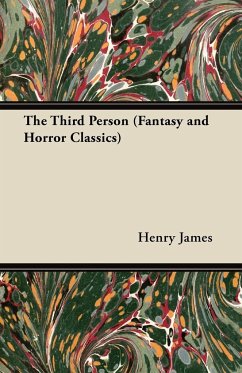
The Third Person centers on two elderly female cousins who inherit an ancient, isolated country house in the English countryside. The house is quickly revealed to be haunted by the persistent, poignant presence of a ghost who died tragically and unjustly long ago. This "third person" acts as a quiet but palpable participant in their lives, a spectral witness to their attempts to unravel the dark history and legal complexities tied to the house. The narrative delicately balances the cousins' psychological stress with the evidence of the supernatural, questioning whether the haunting is real or merely the manifestation of the house's profound emotional legacy. From the mind of Henry James, the celebrated American-British novelist and master of psychological complexity, comes a subtle, chilling tale that explores the delicate line between inherited trauma and spectral reality. This story is a quintessential example of Henry James's genius for creating psychological ghost stories and using the uncanny to expose deeper truths about inheritance, guilt, and human connection. It is essential reading for fans of classic supernatural fiction and refined, intellectual dread.