
Andere Kunden interessierten sich auch für
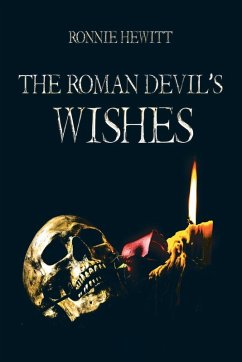
 The Roman Devil's Wishes16,99 €
 ; With a Dedication by George Henry Weiss") The Dunwich Horror (Fantasy and Horror Classics) ; With a Dedication by George Henry Weiss20,99 €
The Dunwich Horror (Fantasy and Horror Classics) ; With a Dedication by George Henry Weiss20,99 € ; With a Dedication by George Henry Weiss") The Case of Charles Dexter Ward (Fantasy and Horror Classics) ; With a Dedication by George Henry Weiss27,99 €
The Case of Charles Dexter Ward (Fantasy and Horror Classics) ; With a Dedication by George Henry Weiss27,99 € ; With a Dedication by George Henry Weiss") The Horror at Red Hook (Fantasy and Horror Classics) ; With a Dedication by George Henry Weiss17,99 €
The Horror at Red Hook (Fantasy and Horror Classics) ; With a Dedication by George Henry Weiss17,99 €") The Cremona Violin (Fantasy and Horror Classics)17,99 €
The Cremona Violin (Fantasy and Horror Classics)17,99 €") Tales of Fearful Forests and Wicked Woods - Short Stories of What Lurks in the Deep Dark Places (Fantasy and Horror Classics)27,99 €
Tales of Fearful Forests and Wicked Woods - Short Stories of What Lurks in the Deep Dark Places (Fantasy and Horror Classics)27,99 €") The Fatal Marksman (Fantasy and Horror Classics)19,99 €
The Fatal Marksman (Fantasy and Horror Classics)19,99 €
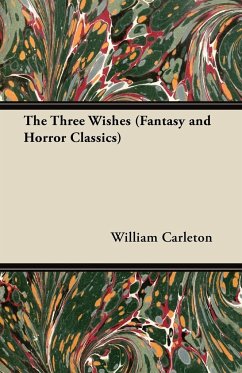
This brief but influential piece of short fiction by William Carleton (1794-1869) is a classic example of Irish folklore infused with the dark humor and moral realism characteristic of his work. While Carleton is celebrated for his authentic portrayal of rural life (Traits and Stories of the Irish Peasantry), his fiction often dips into the supernatural to highlight human folly. A poor but honest peasant is granted three magical wishes by a supernatural being. The wishes are invariably squandered through a fit of impatience, anger, or petty hunger. This story's appeal lies in its sharp, immediate moral lesson: the greatest gifts can be destroyed by the most trivial human weaknesses: greed, impulse, and domestic squabble. It transitions from light comedy to a somber reflection on lost opportunity, fitting it perfectly into the "Fantasy and Horror Classics" series by illustrating the material and moral ruin that comes from a lack of foresight.