
Andere Kunden interessierten sich auch für
 Le train dont Cuenca a besoin55,99 €
 Chile: Of The "Joy That Never Came"56,99 €
 Factors that Generate Product Shortages in Venezuela36,99 €
 Der Zug, den Cuenca braucht84,90 €
 Il treno di cui Cuenca ha bisogno55,99 €
 El tren que Cuenca precisa55,99 €
 Poci¿g, którego potrzebuje Cuenca55,99 €



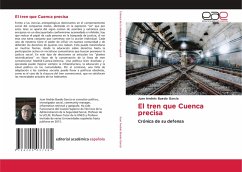
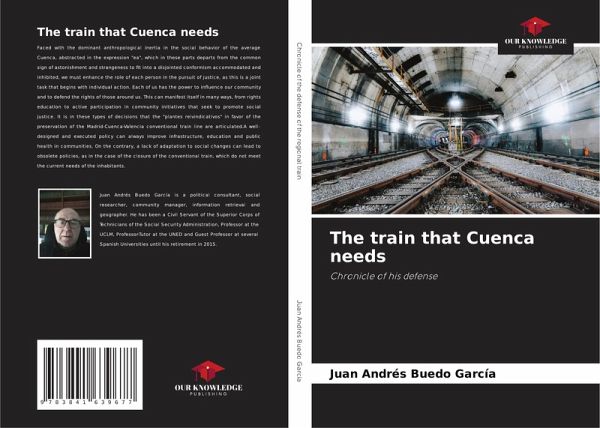
Faced with the dominant anthropological inertia in the social behavior of the average Cuenca, abstracted in the expression "ea", which in these parts departs from the common sign of astonishment and strangeness to fit into a disjointed conformism accommodated and inhibited, we must enhance the role of each person in the pursuit of justice, as this is a joint task that begins with individual action. Each of us has the power to influence our community and to defend the rights of those around us. This can manifest itself in many ways, from rights education to active participation in community initiatives that seek to promote social justice. It is in these types of decisions that the "plantes reivindicativos" in favor of the preservation of the Madrid-Cuenca-Valencia conventional train line are articulated.A well-designed and executed policy can always improve infrastructure, education and public health in communities. On the contrary, a lack of adaptation to social changes can lead to obsolete policies, as in the case of the closure of the conventional train, which do not meet the current needs of the inhabitants.