
Andere Kunden interessierten sich auch für
 An Account of the Nature and Medicinal Virtues of the Principal Mineral Waters of Great Britain and Ireland; and Those Most in Repute on the Continent32,99 €
 Living-With Wisdom167,99 €
 American Medical Schools and the Practice of Medicine187,99 €
 The Ethics of Biomedical Research107,99 €
 Bioethics and the Brain48,99 €
 The Stored Tissue Issue65,99 €
 A Casebook of Medical Ethics68,99 €







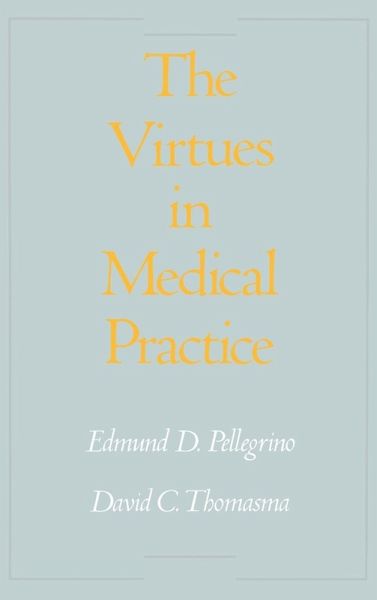
This book constructs a virtue-based ethics for medicine and health care. Beginning with the problem of relating virtues to principles, the authors develop a theory that this linkage lies in the goals of medicine and the nature of medical practice as a moral community. Specific virtues such as trust, compassion, prudence, justice, courage, temperance, and self-effacement are discussed in separate chapters. The book ends by examining how a virtue-based ethic of medicine makes a difference in analysing problems like caring for the poor, research on human subjects, whether the medical virtues can be taught in professional training, and how a refurbished philosophy of medicine can enhance medicine and health care in the future.
In recent years, virtue theories have enjoyed a renaissance of interest among general and medical ethicists. This book offers a virtue-based ethic for medicine, the health professions, and health care. Beginning with a historical account of the concept of virtue, the authors construct a theory of the place of the virtues in medical practice. Their theory is grounded in the nature and ends of medicine as a special kind of human activity. The concepts of virtue, the virtues, and the virtuous physician are examined along with the place of the virtues of trust, compassion, prudence, justice, courage, temperance, and effacement of self-interest in medicine. The authors discuss the relationship between and among principles, rules, virtues, and the philosophy of medicine. They also address the difference virtue-based ethics makes in confronting such practical problems as care of the poor, research with human subjects, and the conduct of the healing relationship. This book woith the author's previous volumes, A Philosophical Basis of Medical Practice and For the Patient's Good, are part of their continuing project of developing a coherent moral philosophy of medicine.
In recent years, virtue theories have enjoyed a renaissance of interest among general and medical ethicists. This book offers a virtue-based ethic for medicine, the health professions, and health care. Beginning with a historical account of the concept of virtue, the authors construct a theory of the place of the virtues in medical practice. Their theory is grounded in the nature and ends of medicine as a special kind of human activity. The concepts of virtue, the virtues, and the virtuous physician are examined along with the place of the virtues of trust, compassion, prudence, justice, courage, temperance, and effacement of self-interest in medicine. The authors discuss the relationship between and among principles, rules, virtues, and the philosophy of medicine. They also address the difference virtue-based ethics makes in confronting such practical problems as care of the poor, research with human subjects, and the conduct of the healing relationship. This book woith the author's previous volumes, A Philosophical Basis of Medical Practice and For the Patient's Good, are part of their continuing project of developing a coherent moral philosophy of medicine.