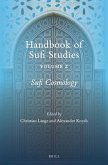
Mit seiner Untersuchung zu den theologischen Strömungen der osmanischen Welt des 11./17. Jahrhunderts, beleuchtet Hiroaki Kawanishi einen in der wissenschaftlichen Literatur bisher wenig beachteten Forschungsbereich. Dabei stellt der Autor die These der "intellektuellen Stagnation" infrage, derzufolge die nachklassische islamische Geistesgeschichte eine Epoche intellektuellen Verfalls darstellt. Demgegenüber argumentiert er in seiner eingehenden Untersuchung der Kommentare des in Damaskus wirkenden osmanischen Universalgelehrten Abd al-Ghani al-Nabulusi (gest. 1143/1731) zum Glaubensbekenntnis…mehr
Mit seiner Untersuchung zu den theologischen Strömungen der osmanischen Welt des 11./17. Jahrhunderts, beleuchtet Hiroaki Kawanishi einen in der wissenschaftlichen Literatur bisher wenig beachteten Forschungsbereich. Dabei stellt der Autor die These der "intellektuellen Stagnation" infrage, derzufolge die nachklassische islamische Geistesgeschichte eine Epoche intellektuellen Verfalls darstellt. Demgegenüber argumentiert er in seiner eingehenden Untersuchung der Kommentare des in Damaskus wirkenden osmanischen Universalgelehrten Abd al-Ghani al-Nabulusi (gest. 1143/1731) zum Glaubensbekenntnis des Maghrebi-Theologen Muhammad ibn Yusuf al-Sanusi (gest. 895/1490) dafür, dass die Zeit des 11./17. Jahrhunderts im Osmanischen Reich eine Zeit intellektuellen Reichtums war. Der Autor konzentriert sich auf Nabulusis theologisches Projekt, das die ascharische spekulative Theologie (kalam) und den Akbarianischen Sufismus miteinander vereint und bezieht dabei Aspekte der Erkenntnistheorie, Kosmologie, Metaphysik, Prophetologie und Ethik mit ein.
Introduction 1. Ottoman Islam? 2. Speculative Theology ( ilm al-kal m ) at Ottoman Madrasas 3. The San sian Creed in the Ottoman Lands 4. Abd al-Ghan al-N bulus and The San sian Creed 5. Methodology Chapter 1: Epistemology 1. Faith ( m n ) in Early Modern Ottoman Kal m Literature 2. San s 's Rationalist Epistemology 3. N bulus 's Response to San s 's Rationalist Epistemology 4. N bulus 's Synthetic Epistemology 5. Recognition of One's Ignorance as the Highest Form of Knowledge 6. Conclusion Chapter 2: Cosmology 1. The Ontological Quest in Early Modern Ottoman Kal m Literature 2. San s on the Temporal Origination of the Universe ( ud th al- lam ) 3. N bulus on the Temporal Origination of the Universe 4. N bulus 's Synthetic Cosmology: Immutable Entities ( al-äy n al-th bita ) 5. Conclusion Chapter 3: Metaphysics ( il hiyy t ) 1. God-Talk 2. San s 's Metaphysics: Twenty Divine Attributes 3. N bulus 's Synthetic Metaphysics of Divine Existence 4. There is No Existence but God ( l wuj d ill All h ) 5. Immanent Transcendentalism 6. Conclusion Chapter 4: Prophetology ( nubuww t ) 1. Prophetology in Early Modern Ottoman Kal m Literature 2. San s 's Prophetology: Prerequisite Qualities of Messengerhood 3. N bulus 's Prophetology: Mu ammad's Superiority over Other Prophets 4. The Mu ammadan Light ( al-n r al-mu ammad ) 5. Conclusion Chapter 5: Ethics 1. The Problem of Evil in Early Modern Ottoman Kal m Literature 2. San s 's Theology of Good and Evil 3. N bulus 's Epistemology of Good and Evil 4. N bulus 's Metaphysics of Good and Evil 5. N bulus 's Mystical Metaphysics of Faith and Disbelief 6. The Perfect Universe: N bulus 's Synthetic Metaphysics of Good and Evil 7. Conclusion Conclusion
Es gelten unsere Allgemeinen Geschäftsbedingungen: www.buecher.de/agb
Impressum
www.buecher.de ist ein Internetauftritt der buecher.de internetstores GmbH
Geschäftsführung: Monica Sawhney | Roland Kölbl | Günter Hilger
Sitz der Gesellschaft: Batheyer Straße 115 - 117, 58099 Hagen
Postanschrift: Bürgermeister-Wegele-Str. 12, 86167 Augsburg
Amtsgericht Hagen HRB 13257
Steuernummer: 321/5800/1497
USt-IdNr: DE450055826