

Andere Kunden interessierten sich auch für
 The Vaccine Controversy35,99 €
 Dispatches from the Vaccine Wars22,99 €
 Profiles of the Vaccine-Injured20,99 €
 The Truth Behind Epstein-Barr Virus18,99 €
 The Hepatitis C Help Book20,99 €
 The Virus and the Host16,99 €
 The Masterminds of Plague15,99 €
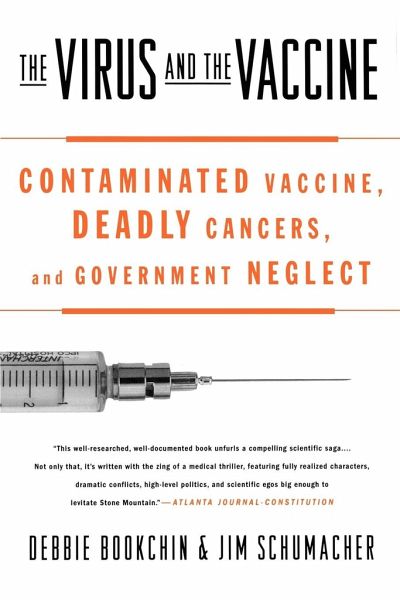
Jonas Salk's polio vaccine is regarded as a veritbale medical miracle, for it largely eradicated one of the most feared diseases of the 20th century. But the story of the vaccine has a dark side, one that has never been fully told before. Between 1954 and 1963, close to 98 million Americans received polio vaccinations contaminated with a carcinogenic monkey virus, now known as SV40. The government downplayed the incident, and it was generally accepted that although oncogenic to lab animals, SV40 was harmless to humans. But now SV40 is showing up in human cancers, and prominent researchers are demanding a serious public health response to this forgotten polio vaccine contaminant. A gripping medical detective story, The Virus and the Vaccine raises major questions about vaccine policy.