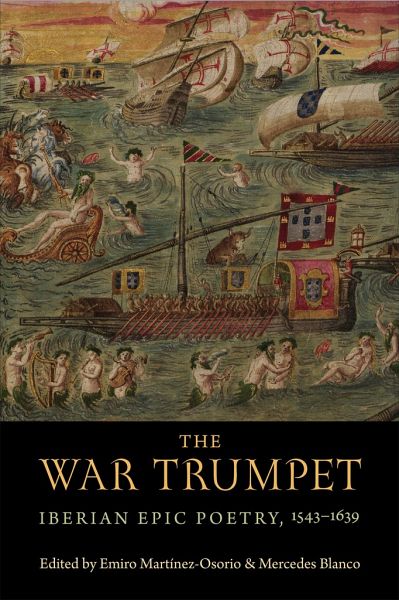
Emiro Martínezosorio, Mercedes BlancoIberian Epic Poetry, 1543-1639
The War Trumpet
Iberian Epic Poetry, 1543-1639
Herausgeber: Martínez-Osorio, Emiro; Blanco, Mercedes
Emiro Martínezosorio, Mercedes BlancoIberian Epic Poetry, 1543-1639
The War Trumpet
Iberian Epic Poetry, 1543-1639
Herausgeber: Martínez-Osorio, Emiro; Blanco, Mercedes
- Gebundenes Buch
- Merkliste
- Auf die Merkliste
- Bewerten Bewerten
- Teilen
- Produkt teilen
- Produkterinnerung
- Produkterinnerung
This collection of original essays offers new ways of understanding the production of epic poetry in Portugal and Spain from 1543 to 1639.
Andere Kunden interessierten sich auch für
Mary BarnardA Poetry of Things49,99 €
Enrique FernandezThe Image of Celestina82,99 €
Steven WagschalMinding Animals in the Old and New Worlds85,99 €
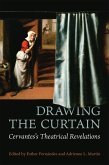
Esther FernándezDrawing the Curtain83,99 €
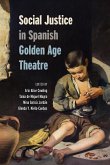
Erin Alice CowlingSocial Justice in Spanish Golden Age Theatre38,99 €
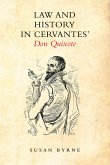
Susan ByrneLaw and History in Cervantes' Don Quixote37,99 €
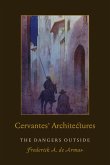
Frederick A. de ArmasCervantes' Architectures83,99 €-
-
-
This collection of original essays offers new ways of understanding the production of epic poetry in Portugal and Spain from 1543 to 1639.
Produktdetails
- Produktdetails
- Toronto Iberic
- Verlag: University of Toronto Press
- Seitenzahl: 400
- Erscheinungstermin: 4. April 2023
- Englisch
- Abmessung: 230mm x 150mm x 34mm
- Gewicht: 752g
- ISBN-13: 9781487546328
- ISBN-10: 1487546327
- Artikelnr.: 63662038
- Herstellerkennzeichnung
- Libri GmbH
- Europaallee 1
- 36244 Bad Hersfeld
- gpsr@libri.de
- Toronto Iberic
- Verlag: University of Toronto Press
- Seitenzahl: 400
- Erscheinungstermin: 4. April 2023
- Englisch
- Abmessung: 230mm x 150mm x 34mm
- Gewicht: 752g
- ISBN-13: 9781487546328
- ISBN-10: 1487546327
- Artikelnr.: 63662038
- Herstellerkennzeichnung
- Libri GmbH
- Europaallee 1
- 36244 Bad Hersfeld
- gpsr@libri.de
Emiro Martínez-Osorio is an associate professor of Spanish in the Department of Languages, Literatures, and Linguistics at York University. Mercedes Blanco is a professor of Spanish Golden Age literature at Sorbonne University.
Acknowledgments
List of Illustrations
Introduction: The Age of Iberian Epic
Emiro Martinez-Osorio
Part One: Of Gods and Textual Models
1. Design Ingeniously Corrected: Corte-Real, Os Lusíadas, and the Gods in
the Felicissima
Helio J.S. Alves
2. Pagan Nature and the Naturalization of Empire in the New World Epyllions
of Bento Teixeira and Silvestre de Balboa
Luis Rodriguez Rincon
3. Lyric as Temptation in Alonso de Ercilla and Torquato Tasso
Mercedes Blanco
Part Two: The Poet as Hero
4. The Many Voices of the Poet: Narrative Polyphony in Os Lusíadas
Matthew Da Mota
5. Eyewitness, Hero, and Poet: Alonso de Ercilla in the Three Parts of La
Araucana
Aude Plagnard
Part Three: Gendered Epics
6. The Voice and the Veil: Pearls, Villancicos, and Dissent in Juan de
Castellanos’ Elegy 14
Emiro Martinez-Osorio
7. Domestic Bliss and Strife: Fresia and Caupolicán in Alonso de Ercilla’s
La Araucana and Pedro de Oña’s Arauco Domado
Nicole Delia Legnani
Part Four: New Historiographic and Cartographic Boundaries
8. Christopher Columbus and the Anonymous Pilot in Carlo famoso by Luis
Zapata de Chaves
Jason McCloskey
9. Cartography in Bernardo de Balbuena’s El Bernardo o victoria de
Roncesvalles
Martin Zulaica Lopez
Afterword
Mercedes Blanco
Contributors
Index
List of Illustrations
Introduction: The Age of Iberian Epic
Emiro Martinez-Osorio
Part One: Of Gods and Textual Models
1. Design Ingeniously Corrected: Corte-Real, Os Lusíadas, and the Gods in
the Felicissima
Helio J.S. Alves
2. Pagan Nature and the Naturalization of Empire in the New World Epyllions
of Bento Teixeira and Silvestre de Balboa
Luis Rodriguez Rincon
3. Lyric as Temptation in Alonso de Ercilla and Torquato Tasso
Mercedes Blanco
Part Two: The Poet as Hero
4. The Many Voices of the Poet: Narrative Polyphony in Os Lusíadas
Matthew Da Mota
5. Eyewitness, Hero, and Poet: Alonso de Ercilla in the Three Parts of La
Araucana
Aude Plagnard
Part Three: Gendered Epics
6. The Voice and the Veil: Pearls, Villancicos, and Dissent in Juan de
Castellanos’ Elegy 14
Emiro Martinez-Osorio
7. Domestic Bliss and Strife: Fresia and Caupolicán in Alonso de Ercilla’s
La Araucana and Pedro de Oña’s Arauco Domado
Nicole Delia Legnani
Part Four: New Historiographic and Cartographic Boundaries
8. Christopher Columbus and the Anonymous Pilot in Carlo famoso by Luis
Zapata de Chaves
Jason McCloskey
9. Cartography in Bernardo de Balbuena’s El Bernardo o victoria de
Roncesvalles
Martin Zulaica Lopez
Afterword
Mercedes Blanco
Contributors
Index
Acknowledgments
List of Illustrations
Introduction: The Age of Iberian Epic
Emiro Martinez-Osorio
Part One: Of Gods and Textual Models
1. Design Ingeniously Corrected: Corte-Real, Os Lusíadas, and the Gods in
the Felicissima
Helio J.S. Alves
2. Pagan Nature and the Naturalization of Empire in the New World Epyllions
of Bento Teixeira and Silvestre de Balboa
Luis Rodriguez Rincon
3. Lyric as Temptation in Alonso de Ercilla and Torquato Tasso
Mercedes Blanco
Part Two: The Poet as Hero
4. The Many Voices of the Poet: Narrative Polyphony in Os Lusíadas
Matthew Da Mota
5. Eyewitness, Hero, and Poet: Alonso de Ercilla in the Three Parts of La
Araucana
Aude Plagnard
Part Three: Gendered Epics
6. The Voice and the Veil: Pearls, Villancicos, and Dissent in Juan de
Castellanos’ Elegy 14
Emiro Martinez-Osorio
7. Domestic Bliss and Strife: Fresia and Caupolicán in Alonso de Ercilla’s
La Araucana and Pedro de Oña’s Arauco Domado
Nicole Delia Legnani
Part Four: New Historiographic and Cartographic Boundaries
8. Christopher Columbus and the Anonymous Pilot in Carlo famoso by Luis
Zapata de Chaves
Jason McCloskey
9. Cartography in Bernardo de Balbuena’s El Bernardo o victoria de
Roncesvalles
Martin Zulaica Lopez
Afterword
Mercedes Blanco
Contributors
Index
List of Illustrations
Introduction: The Age of Iberian Epic
Emiro Martinez-Osorio
Part One: Of Gods and Textual Models
1. Design Ingeniously Corrected: Corte-Real, Os Lusíadas, and the Gods in
the Felicissima
Helio J.S. Alves
2. Pagan Nature and the Naturalization of Empire in the New World Epyllions
of Bento Teixeira and Silvestre de Balboa
Luis Rodriguez Rincon
3. Lyric as Temptation in Alonso de Ercilla and Torquato Tasso
Mercedes Blanco
Part Two: The Poet as Hero
4. The Many Voices of the Poet: Narrative Polyphony in Os Lusíadas
Matthew Da Mota
5. Eyewitness, Hero, and Poet: Alonso de Ercilla in the Three Parts of La
Araucana
Aude Plagnard
Part Three: Gendered Epics
6. The Voice and the Veil: Pearls, Villancicos, and Dissent in Juan de
Castellanos’ Elegy 14
Emiro Martinez-Osorio
7. Domestic Bliss and Strife: Fresia and Caupolicán in Alonso de Ercilla’s
La Araucana and Pedro de Oña’s Arauco Domado
Nicole Delia Legnani
Part Four: New Historiographic and Cartographic Boundaries
8. Christopher Columbus and the Anonymous Pilot in Carlo famoso by Luis
Zapata de Chaves
Jason McCloskey
9. Cartography in Bernardo de Balbuena’s El Bernardo o victoria de
Roncesvalles
Martin Zulaica Lopez
Afterword
Mercedes Blanco
Contributors
Index