
Andere Kunden interessierten sich auch für
 The Wealth of Nations22,99 €
 and the Manifesto of the Communist Party. a Combined Edition") The Wealth of Nations (Book One) and the Manifesto of the Communist Party. a Combined Edition10,99 €
The Wealth of Nations (Book One) and the Manifesto of the Communist Party. a Combined Edition10,99 € The Wealth of Nations22,99 €
") The Wealth Of Nations(Illustrated)38,99 €
The Wealth Of Nations(Illustrated)38,99 € The Wealth of Nations24,99 €
") The Wealth of Nations Volume 2 (Books 4-5)20,99 €
The Wealth of Nations Volume 2 (Books 4-5)20,99 € The Wealth of Nations30,99 €




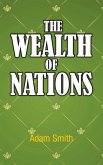
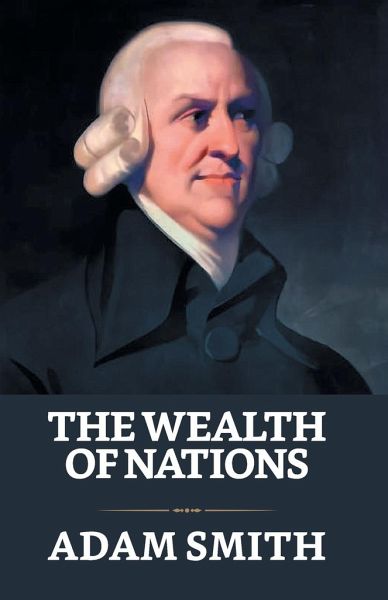
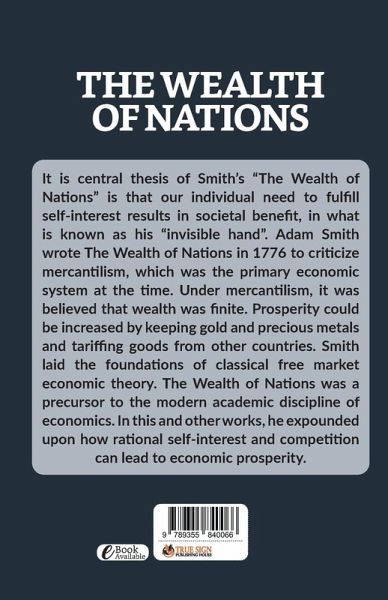
It is central thesis of Smith's "The Wealth of Nations" is that our individual need to fulfill self-interest results in societal benefit, in what is known as his "invisible hand". Adam Smith wrote The Wealth of Nations in 1776 to criticize mercantilism, which was the primary economic system at the time. Under mercantilism, it was believed that wealth was finite. Prosperity could be increased by keeping gold and precious metals and tariffing goods from other countries. Smith laid the foundations of classical free market economic theory. The Wealth of Nations was a precursor to the modern academic discipline of economics. In this and other works, he expounded upon how rational self-interest and competition can lead to economic prosperity.