
Andere Kunden interessierten sich auch für
 The Moral Circle and the Self: Chinese and Western Approaches22,99 €
 The Problem of Evil in the Western Tradition27,99 €
 Thinking About Happiness: What Young People Can Learn About Life From the Classics of Western Philosophy15,99 €
 Foundations of an African Ethic23,99 €
 Tolerance and the Ethical Life93,99 €
 Tamil Wisdom: Traditions Concerning Hindu Sages and Selections From Their Writings18,99 €
 The Western Concept of Individualism and Society Encounters Ghana15,99 €


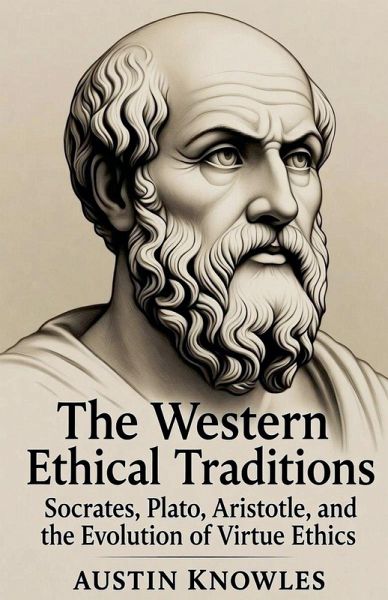
This book traces the lives, ideas, and institutions that have shaped how humans answer the oldest moral question-how should one live? Moving from Socratic interrogation through Platonic visions and Aristotelian practice to Hellenistic therapies, medieval syntheses, modern ruptures, and a twenty-first-century reconfiguration, the work blends close readings of primary texts with practical proposals for education, institutional design, and technology governance. It argues that virtue is neither nostalgia nor mere character talk but a rigorous, policy-relevant framework for cultivating practical wisdom, civic resilience, and moral responsibility in an age of algorithms, climate crisis, and global interdependence. Written for scholars, civic leaders, educators, and curious readers, the book offers intellectual history, ethical theory, and concrete strategies: how to teach attention in distracted societies, how to design institutions that foster rather than frustrate moral agency, and how to translate ancient practices of habituation into democratic, plural, and technological contexts. Combining narrative sweep with actionable insight, it positions virtue ethics as a necessary complement to rights, rules, and consequences-a toolkit for shaping persons and systems capable of flourishing. Compellingly argued and richly sourced, the book will appeal to readers seeking both deep philosophical engagement and immediate relevance: those who want ideas that illuminate the past and change civic life today.