
Andere Kunden interessierten sich auch für
 Covid-19 and the Politics of Fear116,99 €
 The Civil Condition in World Politics124,99 €
 The Politics Book21,99 €
 The Rise of China: Essays on the Future Competition17,99 €
 The Ethics and Efficacy of the Global War on Terrorism52,99 €
 What in the World?94,99 €
 Benevolence in International Relations109,99 €


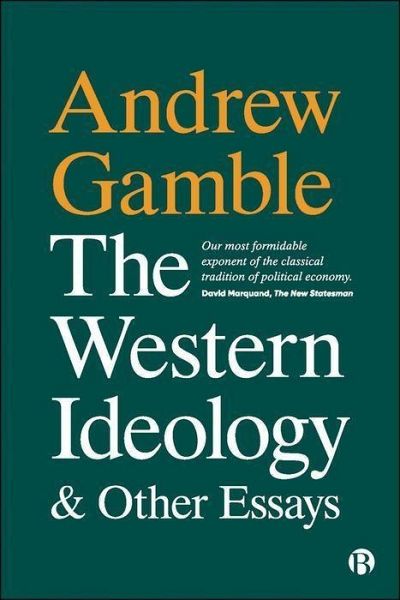
In 'The Western Ideology' Andrew Gamble demonstrates the contradictions and the resilience of the doctrines that define liberal modernity, and examines the contemporary possibilities for dissent and change. This seminal essay is published, for the first time, alongside a collection of Andrew Gamble's writings on political ideas and ideologies, chosen to illustrate his thoughts on intellectual history and the history of ideas. Themes include the character of economic liberalism and neoliberalism, especially as expressed in the work of Friedrich Hayek, as well as critiques from both social democratic and conservative perspectives and from critics as varied as Karl Marx, Michael Oakeshott and Bob Dylan. The collection includes a new autobiographical introduction, notes on the essays and an epilogue putting the essays into the context of today's society. Andrew Gamble provides a unique exploration of the debates and the ideas that have shaped our politics and Western ideology.