

Andere Kunden interessierten sich auch für
 Jerry Todd and the Whispering Mummy22,99 €
") The Whispering Dead (1920)29,99 €
The Whispering Dead (1920)29,99 € The Whispering Woods14,99 €
 The Shroud13,99 €
 The Green Mummy22,99 €
 The Whispering House10,99 €
 Whispering In The Dark17,99 €
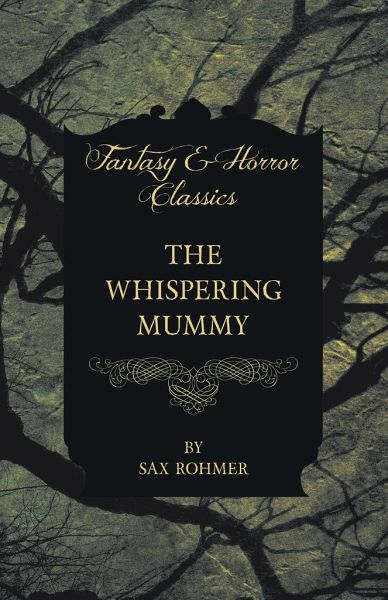
From the imaginative mind of Sax Rohmer, the master architect of exotic crime fiction and the creator of Dr. Fu Manchu, comes a chilling and atmospheric tale set in the mystical heart of Egypt. The Whispering Mummy set in the sweltering, secretive streets of Cairo, where a European artist becomes obsessed with a beautiful local dancer. He is struck by her uncanny resemblance to the ancient mummy he has been using as a subject for his painting. As he attempts to use the living woman as his new model, strange and sinister events unfold, seemingly orchestrated by a shadowy stalker who watches the dancer with chilling intensity. The mystery draws the narrator and the wise Abu Tabah, the occult guardian of Egypt's secrets, into a compelling narrative that challenges the beliefs of all involved. This story is an essential read for fans of classic pulp fiction, exotic mystery, and the thrilling supernatural dread that defines Sax Rohmer's unique literary vision.