
Andere Kunden interessierten sich auch für
 Literature and Nature in the English Renaissance121,99 €
 The Cambridge Companion to English Renaissance Tragedy88,99 €
 Writing Metamorphosis in the English Renaissance42,99 €
 Grief and Women Writers in the English Renaissance111,99 €
 Writing Metamorphosis in the English Renaissance104,99 €
 Literature and Nature in the English Renaissance46,99 €
 Virgil in the Renaissance43,99 €
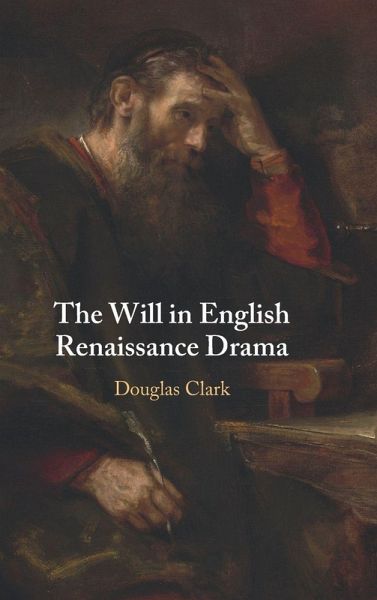
Douglas Clark reveals how moments of willing and will-making pervade English Renaissance drama and play a crucial role in the depiction of selfhood, sin, sociality, and succession. This wide-ranging study synthesizes concepts from historical, legal, philosophical, and theological studies to examine the dramatic performance of the will as both an internal faculty and a legal document. Clark establishes the diverse connections that Shakespeare, Jonson, Middleton, and a range of overlooked playwrights of the early Elizabethan era made between different types and understandings of the will. By doing so, he reveals the little-understood ethical issues to which they gave rise in relation to the mind, emotions, and soul. Understanding the purpose of the will in its multiple forms was a central concern for writers of the time, and Clark shows how this concern profoundly shaped the depiction of life and death in both Elizabethan and Jacobean drama. This title is part of the Flip It Open programme and may also be available as open access. Check our website Cambridge Core for details.