
Andere Kunden interessierten sich auch für
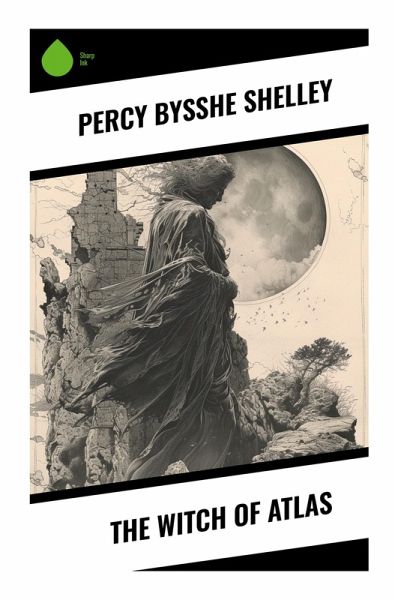
 The Witch of Atlas14,99 €
") The Witch of Atlas (Esprios Classics)18,99 €
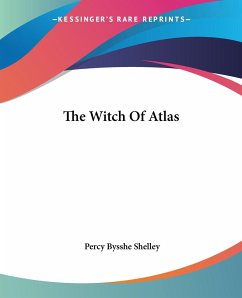
The Witch of Atlas (Esprios Classics)18,99 € The Witch Of Atlas12,99 €
 The Poems of William Wordsworth28,99 €
") The Odes (The Classic Unabridged Edition)10,99 €
The Odes (The Classic Unabridged Edition)10,99 € The Book of Jade15,99 €
 The Daemon of the World7,00 €


In "The Witch of Atlas," Percy Bysshe Shelley presents a richly woven narrative that seamlessly blends elements of fantasy, philosophy, and social commentary. Written in 1820, this poem is notable for its evocative imagery and lyrical style, typical of the Romantic period. Shelley employs a frame tale structure, revolving around a witch who navigates the realms of enchantment and wisdom, ultimately seeking to convey the profound truths of existence, mortality, and the human condition. The text exemplifies Shelley's preoccupation with the power of imagination and the moral implications of knowledge, reflecting the zeitgeist of a post-Enlightenment society grappling with contrasting ideals of reason and passion. Shelley, a prominent figure of the English Romantic movement, was deeply influenced by the turbulent socio-political landscape of his time, as well as his personal experiences with love, loss, and exile. His radical ideas about society, coupled with his fascination for the supernatural and the sublime, are infused throughout "The Witch of Atlas." This work serves as a testament to Shelley's commitment to exploring the depths of human emotion and the complexities of moral dilemmas, which were often at odds with the prevailing norms of his era. This enchanting and philosophically rich poem is a must-read for anyone intrigued by the interplay of fantasy and reality, as well as the ethical considerations that underpin human existence. Shelley's vivid and imaginative prose not only captivates but also challenges readers to reflect upon their own beliefs and aspirations. "The Witch of Atlas" resonates as an enduring work that invites modern audiences to engage deeply with its thematic richness.