
Andere Kunden interessierten sich auch für
 The Religions of Japan, From the Dawn of History to the Era of Méiji36,99 €
 The Ultimate Guide on Wicca, Witchcraft, Astrology, and Tarot Cards - Hardcover Version33,99 €
 The Runes13,99 €
 I Hear the Lord Say "New Era"29,99 €
 The Earth Spirit Hearth and Home27,99 €
 The Performance Edda9,49 €
 Traditions of the Rabbis from the Era of the New Testament, Volume 2A57,99 €

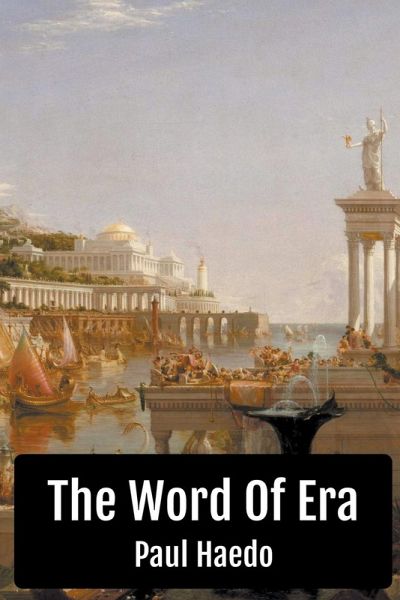
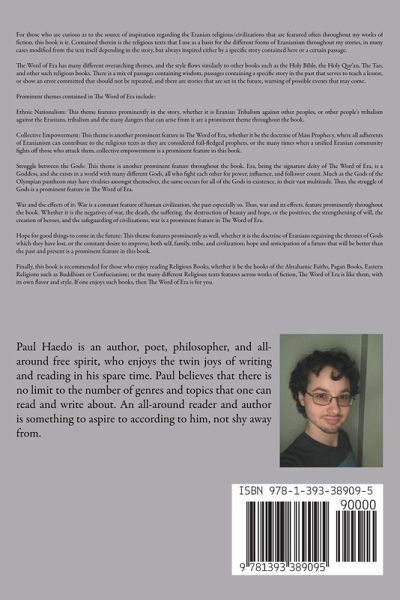
For those curious about the inspiration behind the Eranian religions and civilizations featured in my fiction, this book is the source. It contains the religious texts that serve as the basis for the various forms of Eranianism throughout my stories. In many cases, I've modified the text itself depending on the story, but it is always inspired by a specific story or passage within. The Word of Era explores many overarching themes and flows similarly to religious books like the Holy Bible, the Holy Qur'an, and the Tao Te Ching. It includes passages of wisdom, stories from the past that teach lessons or illustrate errors to avoid, and stories set in the future, warning of possible events. Prominent themes in The Word of Era include:Ethnic Nationalism: This theme appears frequently, whether it manifests as Eranian tribalism against other peoples or as other people's tribalism against the Eranians. The book explores tribalism and the dangers it can create. Collective Empowerment: This is another key theme. It's reflected in the doctrine of Mass Prophecy, where all adherents of Eranianism can contribute to the religious texts as full-fledged prophets, and in the many instances where a unified Eranian community defends itself against attackers. Struggle Between the Gods: This theme is also significant. Era, the central deity of The Word of Era, is a goddess in a world of many gods, all vying for power, influence, and followers. Much like the rivalries among the Olympian gods, the multitude of gods in this world are in constant conflict. War and its Effects: War is a recurring element of human civilization, particularly in the past. Consequently, war and its effects are prominent throughout the book. It explores both the negative aspects of war-death, suffering, destruction of beauty and hope-and the positive aspects-strengthening of will, creation of heroes, and safeguarding of civilizations. Hope for the Future: This theme is also a major element. It is reflected in the doctrine of Eranians regaining lost divine thrones and in the constant aspiration to improve oneself, family, tribe, and civilization. The book emphasizes hope and anticipation for a future better than the past and present. Ultimately, this book is recommended for those who enjoy reading religious texts, whether from Abrahamic faiths, pagan traditions, Eastern religions like Buddhism or Confucianism, or fictional works. The Word of Era shares similarities with these texts but offers its own unique flavor and style. If you enjoy such books, The Word of Era is for you.