
Andere Kunden interessierten sich auch für
 of Nidhámí Al-Arúdi Al-Samarqandí") Chahar Maqalah (the Four Discourses) of Nidhámí Al-Arúdi Al-Samarqandí14,99 €
Chahar Maqalah (the Four Discourses) of Nidhámí Al-Arúdi Al-Samarqandí14,99 € Three Shadow Plays by Muhammad Ibn Dāniyāl108,99 €
 The Arabic Prose Poem30,99 €
 The Ottoman Canon and the Construction of Arabic and Turkish Literatures30,99 €
 The City in Arabic Literature40,99 €
 The Body in Arabic Love Poetry37,99 €
 The Persian Prison Poem36,99 €

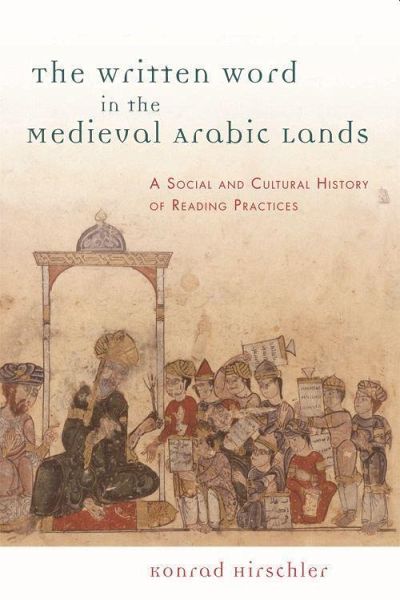
Winner of the 2012 BRISMES book prize. Medieval Islamic societies belonged to the most bookish cultures of their period. Using a wide variety of documentary, narrative and normative sources, Konrad Hirschler explores the growth of reading audiences in a pre-print culture. The uses of the written word grew significantly in Egypt and Syria between the 11th and the 15th centuries, and more groups within society started to participate in individual and communal reading acts. New audiences in reading sessions, school curricula, increasing numbers of endowed libraries and the appearance of popular written literature all bear witness to the profound transformation of cultural practices and their social contexts.