
Andere Kunden interessierten sich auch für
 Modern Lifestyles, Lower Energy Intake and Micronutrient Status77,99 €
 Plant Antioxidants and Health420,99 €
 True Nutrition, True Fitness38,99 €
 Nutrition and Immunology77,99 €
 True Nutrition, True Fitness38,99 €
 Nutrients and Cancer Prevention77,99 €
 Nutrients and Cancer Prevention77,99 €
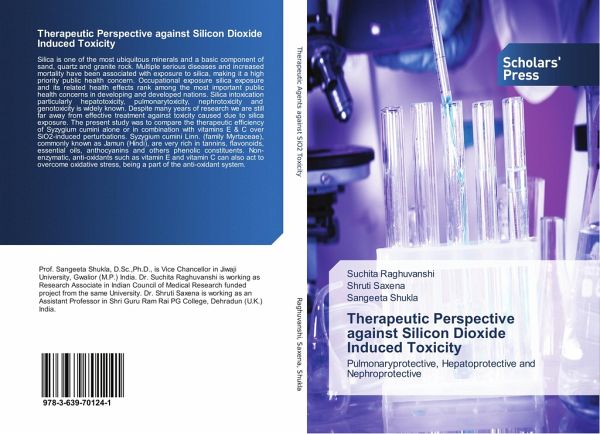
Silica is one of the most ubiquitous minerals and a basic component of sand, quartz and granite rock. Multiple serious diseases and increased mortality have been associated with exposure to silica, making it a high priority public health concern. Occupational exposure silica exposure and its related health effects rank among the most important public health concerns in developing and developed nations. Silica intoxication particularly hepatotoxicity, pulmonarytoxicity, nephrotoxicity and genotoxicity is widely known. Despite many years of research we are still far away from effective treatment against toxicity caused due to silica exposure. The present study was to compare the therapeutic efficiency of Syzygium cumini alone or in combination with vitamins E & C over SiO2-induced perturbations. Syzygium cumini Linn. (family Myrtaceae), commonly known as Jamun (Hindi), are very rich in tannins, flavonoids, essential oils, anthocyanins and others phenolic constituents. Non-enzymatic, anti-oxidants such as vitamin E and vitamin C can also act to overcome oxidative stress, being a part of the anti-oxidant system.