
Andere Kunden interessierten sich auch für
 Therapy and the Neural Network Model38,99 €
 Motivation, Effort, and the Neural Network Model38,99 €
 Motivation, Effort, and the Neural Network Model38,99 €
 Model Neural Networks and Behavior39,99 €
 The Relevance of the Time Domain to Neural Network Models113,99 €
 The Human Connectome86,99 €
 Basic and Translational Applications of the Network Theory for Dystonia129,99 €





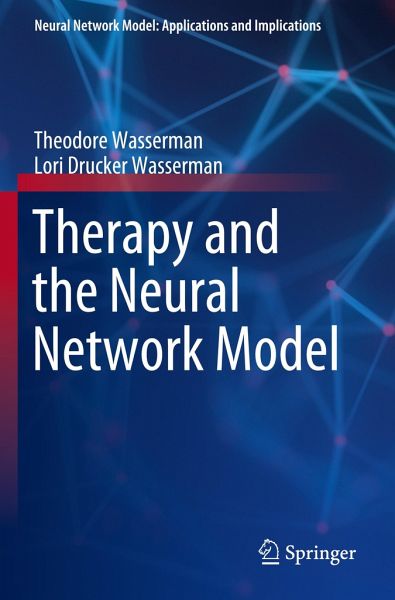
This innovative work explores integrating emerging research into how the brain processes information in applied therapeutic interventions. Typically, clinicians select therapeutic interventions based on their own training, personal experience or preference. This book aims to provide a new model, based upon the neural networks, to both understand the development of mental health issues and their persistence, and how and why to apply therapeutic interventions to impact the systems which are maintaining them.
This work begins with a short and accessible overview of the neural network model, and the general aims of therapy. It elucidates components of the neural network model of learning such as reward recognition, automaticity, and memory reconsolidation, and how they apply to both general learning and new learning through the process in therapy. Next, the authors explore how the neural network model can be integrated across existing systems of therapy, including CognitiveBehavior therapy (CBT), Dialectical Behavior Therapy (DBT), third wave therapies and analytic therapies.
Therapy and the Neural Network Model is an exciting resource for researchers and practitioners interested in understanding more about the applications of a neural network model for therapy and the how and why of building new mentally healthy cognitions, behaviors and emotions.
Therapy and the Neural Network Model is also an essential theoretical foundation for both researchers and practitioners who wish to base their therapeutic practice on neuroscience and integrate their work with related fields such as behavioral medicine, health psychology, social work and public health.
This work begins with a short and accessible overview of the neural network model, and the general aims of therapy. It elucidates components of the neural network model of learning such as reward recognition, automaticity, and memory reconsolidation, and how they apply to both general learning and new learning through the process in therapy. Next, the authors explore how the neural network model can be integrated across existing systems of therapy, including CognitiveBehavior therapy (CBT), Dialectical Behavior Therapy (DBT), third wave therapies and analytic therapies.
Therapy and the Neural Network Model is an exciting resource for researchers and practitioners interested in understanding more about the applications of a neural network model for therapy and the how and why of building new mentally healthy cognitions, behaviors and emotions.
Therapy and the Neural Network Model is also an essential theoretical foundation for both researchers and practitioners who wish to base their therapeutic practice on neuroscience and integrate their work with related fields such as behavioral medicine, health psychology, social work and public health.