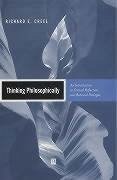
Thinking Philosophically begins by helping the reader acquire a lively sense of what philosophy is, how it began, why it persists, and how it is related to other fields of study, especially science. Readers are given three methods for thinking about and discussing philosophical problems: The Socratic Method, Running out the Permutations, Rational Dialogue. The remainder of the book explores topics and positions in the three most basic areas of philosophy: Theory of Knowledge, Theory of Value, and Metaphysics. Numerous positions are explained, defended, and then critiqued. Each critique leads…mehr
Thinking Philosophically begins by helping the reader acquire a lively sense of what philosophy is, how it began, why it persists, and how it is related to other fields of study, especially science. Readers are given three methods for thinking about and discussing philosophical problems: The Socratic Method, Running out the Permutations, Rational Dialogue. The remainder of the book explores topics and positions in the three most basic areas of philosophy: Theory of Knowledge, Theory of Value, and Metaphysics. Numerous positions are explained, defended, and then critiqued. Each critique leads to a new position which is given the same threefold treatment. This dialectical process allows the reader to move beyond solitary reflection to fruitful philosophical dialogue with others.
Richard Creel is Professor of Philosophy and Religion at Ithaca College. He is a past president of the New York State Philosophical Association and is author of Religion and Doubt (second edition, 1991) and Divine Impassibility (1986).
Inhaltsangabe
A Preface to Teachers. Acknowledgments. Philosophers in Thinking Philosophically. Part I: Metaphilosophy:. 1. Introduction. 2. What is Philosophy?. 3. Why We Do Philosophy. 4. The Two Most Basic Causes of Philosophy. 5. Reason, Philosophy, and Other Disciplines. 6. Methods for Doing Philosophy. 7. Things Philosophers Do. 8. A Healthy Philosophical Attitude. 9. Alternatives to Philosophy. Part II: Epistemology:. Chapter 10: What is Truth?. 11. What is Knowledge?. 12. Logic - Understanding and Evaluating Arguments. Part III: THEORY OF VALUE:. 13. Axiology and Happiness. 14. Ethics and Morality. Part IV: Metaphysics:. 15. Freedom & Determinism. 16. The Mind/Body Problem. 17. Philosophical Theism. 18. Philosophical Materialism. 19. Metaphysical Idealism. Part V: Parting Remarks:. Index.
A Preface to Teachers. Acknowledgments. Philosophers in Thinking Philosophically. Part I: Metaphilosophy:. 1. Introduction. 2. What is Philosophy?. 3. Why We Do Philosophy. 4. The Two Most Basic Causes of Philosophy. 5. Reason, Philosophy, and Other Disciplines. 6. Methods for Doing Philosophy. 7. Things Philosophers Do. 8. A Healthy Philosophical Attitude. 9. Alternatives to Philosophy. Part II: Epistemology:. Chapter 10: What is Truth?. 11. What is Knowledge?. 12. Logic - Understanding and Evaluating Arguments. Part III: THEORY OF VALUE:. 13. Axiology and Happiness. 14. Ethics and Morality. Part IV: Metaphysics:. 15. Freedom & Determinism. 16. The Mind/Body Problem. 17. Philosophical Theism. 18. Philosophical Materialism. 19. Metaphysical Idealism. Part V: Parting Remarks:. Index.
Es gelten unsere Allgemeinen Geschäftsbedingungen: www.buecher.de/agb
Impressum
www.buecher.de ist ein Internetauftritt der buecher.de internetstores GmbH
Geschäftsführung: Monica Sawhney | Roland Kölbl | Günter Hilger
Sitz der Gesellschaft: Batheyer Straße 115 - 117, 58099 Hagen
Postanschrift: Bürgermeister-Wegele-Str. 12, 86167 Augsburg
Amtsgericht Hagen HRB 13257
Steuernummer: 321/5800/1497
USt-IdNr: DE450055826