
Andere Kunden interessierten sich auch für
 Childhood, Boyhood, Youth23,99 €
 Something Fresh26,99 €
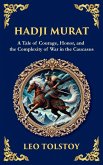
 Hadji Murat23,99 €
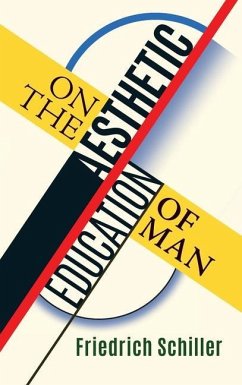
 On the Aesthetic Education of Man21,99 €
 On the Aesthetic Education of Man13,99 €
 The Crocodile23,99 €
 The Angel34,99 €



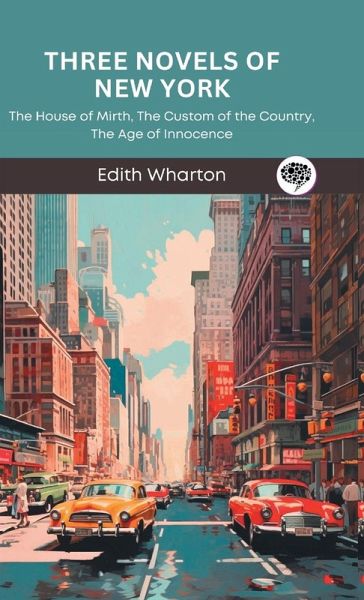
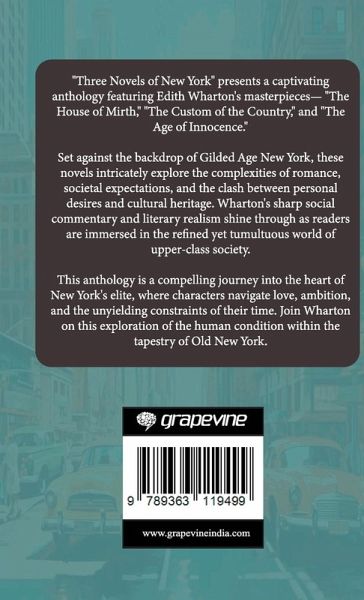
"Three Novels of New York" presents a captivating anthology featuring Edith Wharton's masterpieces- "The House of Mirth," "The Custom of the Country," and "The Age of Innocence." Set against the backdrop of Gilded Age New York, these novels intricately explore the complexities of romance, societal expectations, and the clash between personal desires and cultural heritage. Wharton's sharp social commentary and literary realism shine through as readers are immersed in the refined yet tumultuous world of upper-class society. This anthology is a compelling journey into the heart of New York's elite, where characters navigate love, ambition, and the unyielding constraints of their time. Join Wharton on this exploration of the human condition within the tapestry of Old New York.