
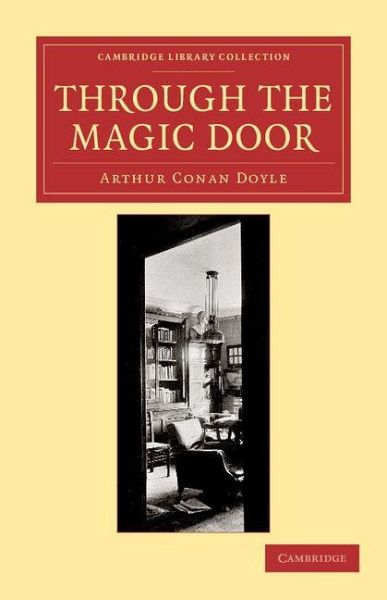
Best known now for his Sherlock Holmes stories, Arthur Conan Doyle (1859-1930) was also an astute and entertaining critic. In this collection of essays first published in 1907, he takes the reader on a tour of his own bookshelf and explores an eccentric range of topics, from the unreasonable opinions of Samuel Johnson to the deficiencies of Ivanhoe and the fascination of Treasure Island. While the importance of deep, intellectual reading is emphasised throughout, across an impressive scope of scientific and literary subjects, Conan Doyle is also firm in his belief that popular fiction is vital and that creativity should not be restricted by strict fact. Including sixteen illustrations, twelve essays and a full index, this book presents reading as a form of unlimited escape, a stance still at the heart of literary debate today, and will interest students of literary theory and the general reader alike.
Arthur Conan Doyle was born in Edinburgh, Scotland, in 1859 and went on to become a renowned author, physician, and political activist. Though initially focusing on his medical career, Doyle found fame with his creation of Sherlock Holmes, a character that would become a cultural icon. Holmes's brilliant deductive reasoning and unconventional methods in solving mysteries captured the imagination of readers worldwide.Doyle's writing career was not limited to the Holmes stories. He also wrote historical novels, plays, and works of non-fiction, often exploring themes of spirituality and the supernatural. Despite his success, Doyle struggled with the overwhelming popularity of Holmes, which he once attempted to leave behind in favor of other literary pursuits.In addition to his literary career, Doyle was involved in various political and social issues, advocating for justice and serving as a public speaker. His belief in spiritualism led him to become a vocal supporter of its causes, although it was often a source of controversy. Arthur Conan Doyle passed away in 1930, leaving behind a legacy that has influenced countless works of fiction and continues to captivate audiences today.
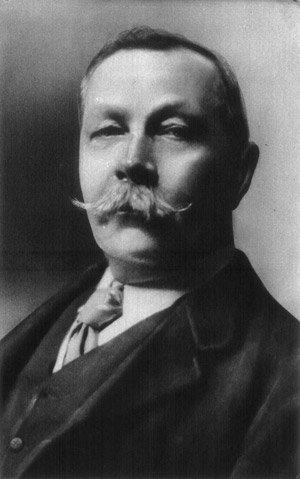
Foto: Wikipedia