
Andere Kunden interessierten sich auch für
 The Latin Lives of St Laurence of Dublin67,99 €
 Citadel of the Saxons50,99 €
 Basilisks and Beowulf19,99 €
 The Green Ages11,99 €
 The First Kingdom17,99 €
 Medieval Robots34,99 €
 The Permeable Self28,99 €





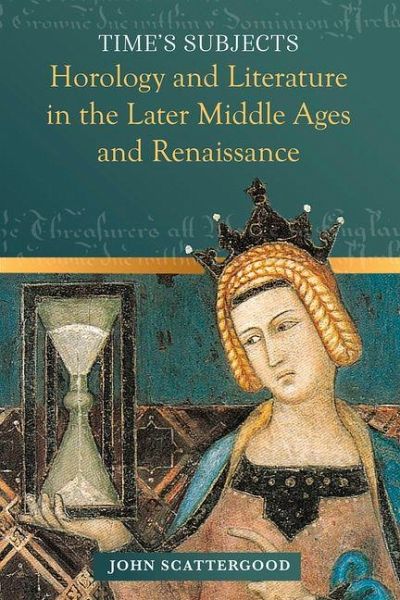
Explore the fascinating intersection of time, literature, and culture in the Middle Ages and Renaissance. Delve into how the invention of mechanical clocks shaped theological, philosophical, and social perspectives from the 13th to 17th centuries. Discover how writers grappled with new concepts of time, transience, and morality. This scholarly work examines the influence of horology on European literature, analyzing how authors integrated clocks into their imaginative worlds. Uncover the impact of timekeeping devices on religious, political, and personal behavior. Perfect for historians, literary enthusiasts, and anyone intrigued by the evolution of our understanding of time.