
Andere Kunden interessierten sich auch für
 The Merry Anne18,99 €
 The Idol of the Blind22,99 €
 The Heir of Mondolfo7,20 €
 My Lady Peggy Goes to Town23,99 €
 The Island of Enchantment6,20 €
 The Blue Hotel7,50 €
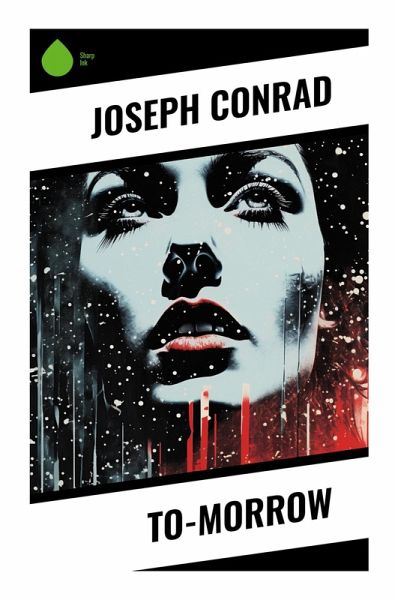
 To-morrow10,99 €

In "To-morrow," Joseph Conrad explores the themes of colonialism and the human soul through the lens of personal ambition and the echoes of the past. Written in a concise, evocative style characteristic of Conrad's later works, the story delves into the psyche of its characters, particularly focusing on a sailor who grapples with his aspirations for a more prosperous life, set against the backdrop of the morally ambiguous world of trade. The novella, reflective of the literary trend of modernism, not only critiques the idealism of colonial expansion but also reveals the complexities inherent in the pursuit of happiness and fulfillment. Joseph Conrad, born in Poland and later a British citizen, drew heavily upon his own maritime experiences and the tumultuous historical context of the late 19th century. His profound understanding of the sea, coupled with his insights into human nature, profoundly influences "To-morrow". This work showcases Conrad's ability to intertwine his existential concerns with a critical examination of European imperialism, revealing how individual desires often clash with broader historical forces. I wholeheartedly recommend "To-morrow" to readers interested in nuanced characters and ethical dilemmas set within a richly layered narrative. Conrad's poignant prose invites reflection on the costs of ambition and the shadows of the past, making this novella a compelling exploration of the human condition that resonates deeply in today's context.