
Andere Kunden interessierten sich auch für
 The History of Mr. Polly22,95 €
 Charlotte Temple18,95 €
 Such Is Life27,90 €
 The Awakening21,95 €
 Michael Strogoff21,90 €
 The Jungle24,90 €
 The Little Demon24,90 €


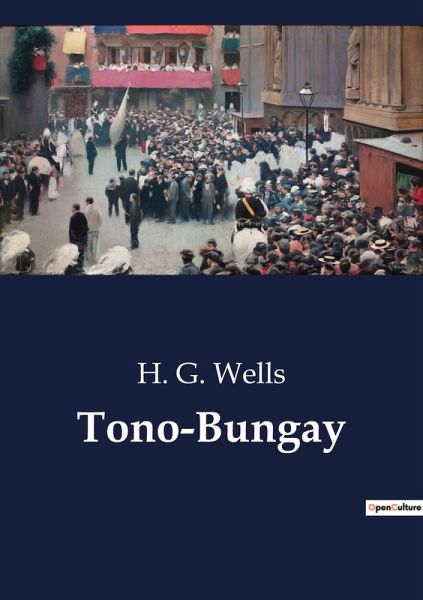
"Tono-Bungay" by H.G. Wells is a semi-autobiographical novel that explores the social hierarchy and personal experiences of the protagonist, George Ponderevo, in Edwardian England. The narrative begins with George's childhood at Bladesover House, a grand estate that epitomizes the rigid class structure of the time. Raised by his mother, who is the housekeeper, George is exposed to the intricacies of social status and the expectations that come with it. His early life is marked by a sense of displacement and curiosity about the world beyond the estate's confines. As George grows, he becomes increasingly aware of the limitations imposed by the class system and begins to question the societal norms that dictate his life. The novel delves into George's relationship with his uncle, Edward Ponderevo, a charismatic and ambitious man who rises to prominence through the creation of Tono-Bungay, a quack medicine. This venture propels George into a world of financial speculation and moral ambiguity, offering him a broader perspective on the social and economic forces shaping England. Throughout the novel, Wells critiques the superficiality and instability of the social order, highlighting the tension between tradition and modernity. George's journey is one of self-discovery and disillusionment, as he navigates the complexities of love, transformation, and identity in a rapidly changing world. "Tono-Bungay" is both a personal narrative and a broader commentary on the societal changes of the early 20th century, capturing the essence of an era on the brink of change.