

Andere Kunden interessierten sich auch für
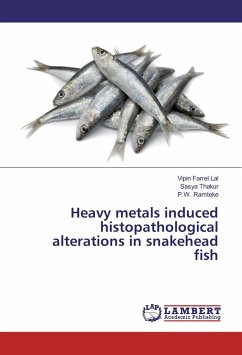
 Heavy metals induced histopathological alterations in snakehead fish37,99 €
 Earthworm a wonderful organism for Heavy metals27,99 €
 Heavy Metals Distribution in Three Fish Species from Assiut-Egypt41,99 €
 Role of endohelminths in bioremediating heavy metals in Lethrinus fish33,99 €
 Heavy metals bioaccumulative capacity of some species of crustacea24,99 €
 HEAVY METALS IN MARINE FISHES & HEALTH RISK ASSESSMENT IN THRISSUR29,99 €
 Toxizität von Schwermetallen49,90 €

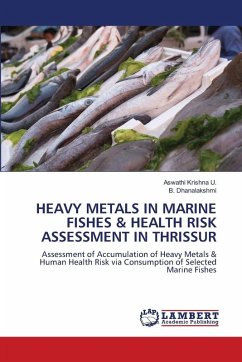
Untreated wastes of industrial, technological and agricultural origin containing various metallic compounds often contaminate natural water. Heavy metals due to their bio- accumulative and non- biodegradable properties constitute a major group of aquatic pollutants. These heavy metals are accumulated in the fishes through the general body surface which severely affects the life support system. Once these toxic substances enter into the body they damage and weaken the mechanism concerned leading to physiological, pathological and biochemical disorders. Behavior is considered a promising tool in ecotoxicology. The uses of behavioral changes in fishes are diagnostic end point, for screening and differentiating chemicals according to their mode of action. So,the present investigation was carried out to assess the exact level of heavy metal contaminants and its impact over the aquatic creatures.