
Sara J. Milstein (Assistant Professor of Hebrew Bible and Ancient N
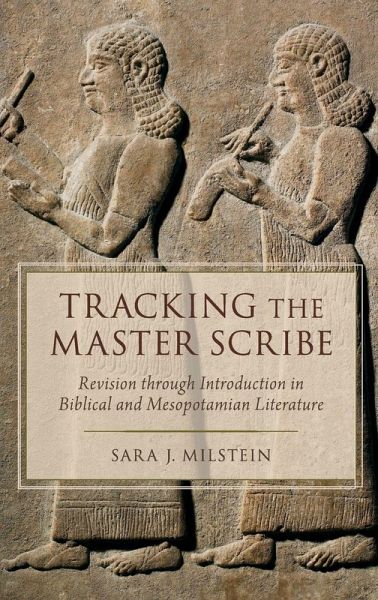
Tracking the Master Scribe
Revision Through Introduction in Biblical and Mesopotamian Literature
Sara J. Milstein (Assistant Professor of Hebrew Bible and Ancient N
Tracking the Master Scribe
Revision Through Introduction in Biblical and Mesopotamian Literature
- Gebundenes Buch
- Merkliste
- Auf die Merkliste
- Bewerten Bewerten
- Teilen
- Produkt teilen
- Produkterinnerung
- Produkterinnerung
Characterized by collectively produced texts that changed significantly over time, Mesopotamian literature and the Hebrew Bible confound modern notions of authorship and creativity.
Andere Kunden interessierten sich auch für
 Marc Zvi Brettler (C Dora Golding Professor of Biblical LiteratureHow to Read the Jewish Bible29,99 €
 Keith Bodner (Professor of Religiou Professor of Religious StudiesThe Psalms105,99 €
 Kevin M. McGeough (Professor of Archaeology and Board of GovernorsReaders of the Lost Ark22,99 €
 John E. WennbergTRACKING MEDICINE C49,99 €
 Eugen J. Pentiuc (Tenured Professor of Old Testament and HebrewThe Old Testament in Eastern Orthodox Tradition66,99 €
") Bob CarssThe Complete Guide to Tracking (Third Edition)19,99 €
Bob CarssThe Complete Guide to Tracking (Third Edition)19,99 € Aga BojkoEye Tracking the User Experience89,99 €
-
-
-





Characterized by collectively produced texts that changed significantly over time, Mesopotamian literature and the Hebrew Bible confound modern notions of authorship and creativity.
Produktdetails
- Produktdetails
- Verlag: Oxford University Press Inc
- Seitenzahl: 266
- Erscheinungstermin: 7. Oktober 2016
- Englisch
- Abmessung: 240mm x 161mm x 19mm
- Gewicht: 502g
- ISBN-13: 9780190205393
- ISBN-10: 0190205393
- Artikelnr.: 47863033
- Herstellerkennzeichnung
- Libri GmbH
- Europaallee 1
- 36244 Bad Hersfeld
- gpsr@libri.de
- Verlag: Oxford University Press Inc
- Seitenzahl: 266
- Erscheinungstermin: 7. Oktober 2016
- Englisch
- Abmessung: 240mm x 161mm x 19mm
- Gewicht: 502g
- ISBN-13: 9780190205393
- ISBN-10: 0190205393
- Artikelnr.: 47863033
- Herstellerkennzeichnung
- Libri GmbH
- Europaallee 1
- 36244 Bad Hersfeld
- gpsr@libri.de
Sara J. Milstein is Assistant Professor of Hebrew Bible and Ancient Near Eastern Studies at the University of British Columbia.
* Abbreviations
* List of Figures
* Preface
* 1. Spotlight on Method: (Revision through) Introduction
* I. The Transmission of Mesopotamian Literature
* Advantages and Limitations of the Mesopotamian Evidence
* Assyriological Studies on Textual Change
* II. The Transmission of Hebrew/Biblical Literature
* Advantages and Limitations of the Hebrew/Biblical Evidence
* Recent Evaluations of Scribal Methods and Hard Evidence in Biblical
Studies
* III. The Scope of Tracking the Master Scribe
* The Case Studies
* Terms, Aims, and Methodologies
* 2. "Evident" Cases of Revision through Introduction
* I. Revision through Introduction in Mesopotamian Literature
* a. The Sumerian King List
* b. The Epic of Etana
* II. Revision through Introduction in Hebrew/Biblical Literature
* a. The Community Rule
* b. The Books of Esther
* III. Conclusions
* 3. A Second Wind: Revision through Introduction in Adapa
* I. Back to Eridu: The Revision of Adapa in Akkadian
* The Middle Babylonian Version of Adapa (Fragment B)
* The Neo-Assyrian Version(s) of Adapa
* Continuity and Discontinuity across the Akkadian Tradition
* Fragments A and D: Expansion or Elimination?
* II. Which Way the Wind Blows: From Adaba to Adapa
* The Tell Haddad Version of Adapa
* Continuity and Discontinuity between Tell Haddad and Fragment B
* The Tell Haddad Introduction and "South Wind Ending": Addition or
Elimination?
* III. Conclusions
* 4. Surpassing All Versions: Revision through Introduction in the
Gilgamesh Epic
* I. The Akkadian Huwawa Narrative and the Emergence of the Epic
* Competing Sets of Logic in the Old Babylonian Epic
* The Epic Act of Revision through Introduction
* II. Surpassing All Kings: The Ugarit and Standard Babylonian
Prologues to the Gilgamesh Epic
* The Middle Babylonian Prologue to Gilgamesh at Ugarit
* Standard Babylonian I 1-28 and Its Contrasting Features
* The Two Prologues as "Revision through Introduction"
* III. Gilgamesh, Enkidu, and the Netherworld and Tablet XII of the
Standard Babylonian Version
* Gilgamesh, Enkidu, and the Netherworld and Tablet XII
* Tablet XII and Its Relation to Gilgamesh, Enkidu, and the Netherworld
* The Absence of GEN 1-171 in Tablet XII
* IV. Conclusions, or One More Circuit around the Wall
* 5. Delusions of Grandeur: Revision through Introduction in Judges 6-9
* I. The Early Abimelekh Account (Judges 9:26-54)
* The Antiquity of Judges 9
* The Independent Logic of Judges 9:26-54
* II. The Early Gideon Account (Judges 8:4-21)
* The Independent Logic of Judges 8:4-21
* The Parallel Nature of the Old Gideon and Abimelekh Episodes
* III. New Backdrops for the Gideon-Abimelekh Block: Judges 6:1-8:3
* Judges 7:1-22: Yahweh to the Rescue!
* Judges 6:25-32: A Yahwistic Etiology for "Jerubbaal"
* IV. Conclusions
* 6. Echoes of Saul: Revision through Introduction in Judges 19-21, 1
Samuel 1, and 1 Samuel 11
* I. Competing Sets of Logic in Judges 19-21
* Contrasts between Judges 19:1-20:13 and Judges 20:14ff
* The Composite Nature of Judges 21
* II. Shiloh and Benjamin: Evidence for an "Old Saul Complex"
* The Origins of 1 Samuel 1 as a Saul Birth Narrative
* The Links between Judges 21:15-24 and 1 Samuel 1
* III. The Old Saul Complex and Its Polemical Recasting
* The Unexplained Markers of Judges 19
* The Inclusion of 1 Samuel 11:1-11 in the "Saul Complex"
* IV. Conclusions
* 7. The "Magic" of Beginnings (and Endings)
* Works Cited
* Index of Authors
* Index of Primary Sources
* Index of Subjects
* List of Figures
* Preface
* 1. Spotlight on Method: (Revision through) Introduction
* I. The Transmission of Mesopotamian Literature
* Advantages and Limitations of the Mesopotamian Evidence
* Assyriological Studies on Textual Change
* II. The Transmission of Hebrew/Biblical Literature
* Advantages and Limitations of the Hebrew/Biblical Evidence
* Recent Evaluations of Scribal Methods and Hard Evidence in Biblical
Studies
* III. The Scope of Tracking the Master Scribe
* The Case Studies
* Terms, Aims, and Methodologies
* 2. "Evident" Cases of Revision through Introduction
* I. Revision through Introduction in Mesopotamian Literature
* a. The Sumerian King List
* b. The Epic of Etana
* II. Revision through Introduction in Hebrew/Biblical Literature
* a. The Community Rule
* b. The Books of Esther
* III. Conclusions
* 3. A Second Wind: Revision through Introduction in Adapa
* I. Back to Eridu: The Revision of Adapa in Akkadian
* The Middle Babylonian Version of Adapa (Fragment B)
* The Neo-Assyrian Version(s) of Adapa
* Continuity and Discontinuity across the Akkadian Tradition
* Fragments A and D: Expansion or Elimination?
* II. Which Way the Wind Blows: From Adaba to Adapa
* The Tell Haddad Version of Adapa
* Continuity and Discontinuity between Tell Haddad and Fragment B
* The Tell Haddad Introduction and "South Wind Ending": Addition or
Elimination?
* III. Conclusions
* 4. Surpassing All Versions: Revision through Introduction in the
Gilgamesh Epic
* I. The Akkadian Huwawa Narrative and the Emergence of the Epic
* Competing Sets of Logic in the Old Babylonian Epic
* The Epic Act of Revision through Introduction
* II. Surpassing All Kings: The Ugarit and Standard Babylonian
Prologues to the Gilgamesh Epic
* The Middle Babylonian Prologue to Gilgamesh at Ugarit
* Standard Babylonian I 1-28 and Its Contrasting Features
* The Two Prologues as "Revision through Introduction"
* III. Gilgamesh, Enkidu, and the Netherworld and Tablet XII of the
Standard Babylonian Version
* Gilgamesh, Enkidu, and the Netherworld and Tablet XII
* Tablet XII and Its Relation to Gilgamesh, Enkidu, and the Netherworld
* The Absence of GEN 1-171 in Tablet XII
* IV. Conclusions, or One More Circuit around the Wall
* 5. Delusions of Grandeur: Revision through Introduction in Judges 6-9
* I. The Early Abimelekh Account (Judges 9:26-54)
* The Antiquity of Judges 9
* The Independent Logic of Judges 9:26-54
* II. The Early Gideon Account (Judges 8:4-21)
* The Independent Logic of Judges 8:4-21
* The Parallel Nature of the Old Gideon and Abimelekh Episodes
* III. New Backdrops for the Gideon-Abimelekh Block: Judges 6:1-8:3
* Judges 7:1-22: Yahweh to the Rescue!
* Judges 6:25-32: A Yahwistic Etiology for "Jerubbaal"
* IV. Conclusions
* 6. Echoes of Saul: Revision through Introduction in Judges 19-21, 1
Samuel 1, and 1 Samuel 11
* I. Competing Sets of Logic in Judges 19-21
* Contrasts between Judges 19:1-20:13 and Judges 20:14ff
* The Composite Nature of Judges 21
* II. Shiloh and Benjamin: Evidence for an "Old Saul Complex"
* The Origins of 1 Samuel 1 as a Saul Birth Narrative
* The Links between Judges 21:15-24 and 1 Samuel 1
* III. The Old Saul Complex and Its Polemical Recasting
* The Unexplained Markers of Judges 19
* The Inclusion of 1 Samuel 11:1-11 in the "Saul Complex"
* IV. Conclusions
* 7. The "Magic" of Beginnings (and Endings)
* Works Cited
* Index of Authors
* Index of Primary Sources
* Index of Subjects
* Abbreviations
* List of Figures
* Preface
* 1. Spotlight on Method: (Revision through) Introduction
* I. The Transmission of Mesopotamian Literature
* Advantages and Limitations of the Mesopotamian Evidence
* Assyriological Studies on Textual Change
* II. The Transmission of Hebrew/Biblical Literature
* Advantages and Limitations of the Hebrew/Biblical Evidence
* Recent Evaluations of Scribal Methods and Hard Evidence in Biblical
Studies
* III. The Scope of Tracking the Master Scribe
* The Case Studies
* Terms, Aims, and Methodologies
* 2. "Evident" Cases of Revision through Introduction
* I. Revision through Introduction in Mesopotamian Literature
* a. The Sumerian King List
* b. The Epic of Etana
* II. Revision through Introduction in Hebrew/Biblical Literature
* a. The Community Rule
* b. The Books of Esther
* III. Conclusions
* 3. A Second Wind: Revision through Introduction in Adapa
* I. Back to Eridu: The Revision of Adapa in Akkadian
* The Middle Babylonian Version of Adapa (Fragment B)
* The Neo-Assyrian Version(s) of Adapa
* Continuity and Discontinuity across the Akkadian Tradition
* Fragments A and D: Expansion or Elimination?
* II. Which Way the Wind Blows: From Adaba to Adapa
* The Tell Haddad Version of Adapa
* Continuity and Discontinuity between Tell Haddad and Fragment B
* The Tell Haddad Introduction and "South Wind Ending": Addition or
Elimination?
* III. Conclusions
* 4. Surpassing All Versions: Revision through Introduction in the
Gilgamesh Epic
* I. The Akkadian Huwawa Narrative and the Emergence of the Epic
* Competing Sets of Logic in the Old Babylonian Epic
* The Epic Act of Revision through Introduction
* II. Surpassing All Kings: The Ugarit and Standard Babylonian
Prologues to the Gilgamesh Epic
* The Middle Babylonian Prologue to Gilgamesh at Ugarit
* Standard Babylonian I 1-28 and Its Contrasting Features
* The Two Prologues as "Revision through Introduction"
* III. Gilgamesh, Enkidu, and the Netherworld and Tablet XII of the
Standard Babylonian Version
* Gilgamesh, Enkidu, and the Netherworld and Tablet XII
* Tablet XII and Its Relation to Gilgamesh, Enkidu, and the Netherworld
* The Absence of GEN 1-171 in Tablet XII
* IV. Conclusions, or One More Circuit around the Wall
* 5. Delusions of Grandeur: Revision through Introduction in Judges 6-9
* I. The Early Abimelekh Account (Judges 9:26-54)
* The Antiquity of Judges 9
* The Independent Logic of Judges 9:26-54
* II. The Early Gideon Account (Judges 8:4-21)
* The Independent Logic of Judges 8:4-21
* The Parallel Nature of the Old Gideon and Abimelekh Episodes
* III. New Backdrops for the Gideon-Abimelekh Block: Judges 6:1-8:3
* Judges 7:1-22: Yahweh to the Rescue!
* Judges 6:25-32: A Yahwistic Etiology for "Jerubbaal"
* IV. Conclusions
* 6. Echoes of Saul: Revision through Introduction in Judges 19-21, 1
Samuel 1, and 1 Samuel 11
* I. Competing Sets of Logic in Judges 19-21
* Contrasts between Judges 19:1-20:13 and Judges 20:14ff
* The Composite Nature of Judges 21
* II. Shiloh and Benjamin: Evidence for an "Old Saul Complex"
* The Origins of 1 Samuel 1 as a Saul Birth Narrative
* The Links between Judges 21:15-24 and 1 Samuel 1
* III. The Old Saul Complex and Its Polemical Recasting
* The Unexplained Markers of Judges 19
* The Inclusion of 1 Samuel 11:1-11 in the "Saul Complex"
* IV. Conclusions
* 7. The "Magic" of Beginnings (and Endings)
* Works Cited
* Index of Authors
* Index of Primary Sources
* Index of Subjects
* List of Figures
* Preface
* 1. Spotlight on Method: (Revision through) Introduction
* I. The Transmission of Mesopotamian Literature
* Advantages and Limitations of the Mesopotamian Evidence
* Assyriological Studies on Textual Change
* II. The Transmission of Hebrew/Biblical Literature
* Advantages and Limitations of the Hebrew/Biblical Evidence
* Recent Evaluations of Scribal Methods and Hard Evidence in Biblical
Studies
* III. The Scope of Tracking the Master Scribe
* The Case Studies
* Terms, Aims, and Methodologies
* 2. "Evident" Cases of Revision through Introduction
* I. Revision through Introduction in Mesopotamian Literature
* a. The Sumerian King List
* b. The Epic of Etana
* II. Revision through Introduction in Hebrew/Biblical Literature
* a. The Community Rule
* b. The Books of Esther
* III. Conclusions
* 3. A Second Wind: Revision through Introduction in Adapa
* I. Back to Eridu: The Revision of Adapa in Akkadian
* The Middle Babylonian Version of Adapa (Fragment B)
* The Neo-Assyrian Version(s) of Adapa
* Continuity and Discontinuity across the Akkadian Tradition
* Fragments A and D: Expansion or Elimination?
* II. Which Way the Wind Blows: From Adaba to Adapa
* The Tell Haddad Version of Adapa
* Continuity and Discontinuity between Tell Haddad and Fragment B
* The Tell Haddad Introduction and "South Wind Ending": Addition or
Elimination?
* III. Conclusions
* 4. Surpassing All Versions: Revision through Introduction in the
Gilgamesh Epic
* I. The Akkadian Huwawa Narrative and the Emergence of the Epic
* Competing Sets of Logic in the Old Babylonian Epic
* The Epic Act of Revision through Introduction
* II. Surpassing All Kings: The Ugarit and Standard Babylonian
Prologues to the Gilgamesh Epic
* The Middle Babylonian Prologue to Gilgamesh at Ugarit
* Standard Babylonian I 1-28 and Its Contrasting Features
* The Two Prologues as "Revision through Introduction"
* III. Gilgamesh, Enkidu, and the Netherworld and Tablet XII of the
Standard Babylonian Version
* Gilgamesh, Enkidu, and the Netherworld and Tablet XII
* Tablet XII and Its Relation to Gilgamesh, Enkidu, and the Netherworld
* The Absence of GEN 1-171 in Tablet XII
* IV. Conclusions, or One More Circuit around the Wall
* 5. Delusions of Grandeur: Revision through Introduction in Judges 6-9
* I. The Early Abimelekh Account (Judges 9:26-54)
* The Antiquity of Judges 9
* The Independent Logic of Judges 9:26-54
* II. The Early Gideon Account (Judges 8:4-21)
* The Independent Logic of Judges 8:4-21
* The Parallel Nature of the Old Gideon and Abimelekh Episodes
* III. New Backdrops for the Gideon-Abimelekh Block: Judges 6:1-8:3
* Judges 7:1-22: Yahweh to the Rescue!
* Judges 6:25-32: A Yahwistic Etiology for "Jerubbaal"
* IV. Conclusions
* 6. Echoes of Saul: Revision through Introduction in Judges 19-21, 1
Samuel 1, and 1 Samuel 11
* I. Competing Sets of Logic in Judges 19-21
* Contrasts between Judges 19:1-20:13 and Judges 20:14ff
* The Composite Nature of Judges 21
* II. Shiloh and Benjamin: Evidence for an "Old Saul Complex"
* The Origins of 1 Samuel 1 as a Saul Birth Narrative
* The Links between Judges 21:15-24 and 1 Samuel 1
* III. The Old Saul Complex and Its Polemical Recasting
* The Unexplained Markers of Judges 19
* The Inclusion of 1 Samuel 11:1-11 in the "Saul Complex"
* IV. Conclusions
* 7. The "Magic" of Beginnings (and Endings)
* Works Cited
* Index of Authors
* Index of Primary Sources
* Index of Subjects