Andere Kunden interessierten sich auch für
 Benjamin Katz: Entdeckungen - Discoveries - Découvertes39,80 €
 Lasting Light29,99 €
 New England Ruins26,99 €
 Coast to Coast Walking39,99 €
 Go To Bath! A Kid's Guide To Bath, England16,99 €
 The Parklands45,00 €
 Still Lifes, Tokyo22,99 €





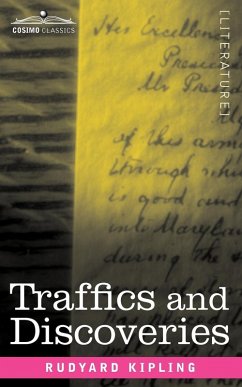
Traffics and Discoveries, originally written in 1904, is a collection of 24 short stories by celebrated novelist and storyteller Rudyard Kipling. These charming tales feature a variety of colorful characters in exotic settings, much in the same vein as the Just So Stories and The Jungle Book. Any fan of classic Victorian and children's literature will delight in these beautifully spun stories of strange people and faraway places. British author and poet RUDYARD KIPLING (1865-1936) was born in colonial India, a locale that inspired his best-known works, The Jungle Book (1894), Kim (1901), and Gunga Din (1892). He was awarded the Nobel Prize for Literature in 1907.
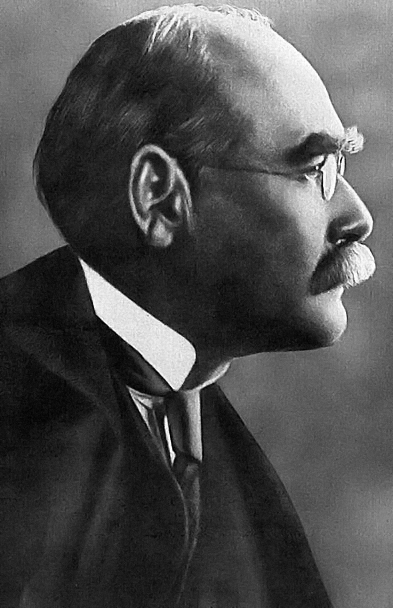
Rudyard Kipling (1865-1936) was a British author and poet best known for his works of fiction set in British-ruled India. Born in Bombay (now Mumbai), India, Kipling is celebrated for his vivid storytelling, memorable characters, and exploration of colonial themes. His most famous works include The Jungle Book, Kim, and the poem If, which remains widely quoted for its inspirational message. Kipling was the first English-language writer to receive the Nobel Prize in Literature in 1907. Though his legacy is complex due to his imperialist views, his literary contributions remain significant for their narrative power, imaginative scope, and cultural influence.